
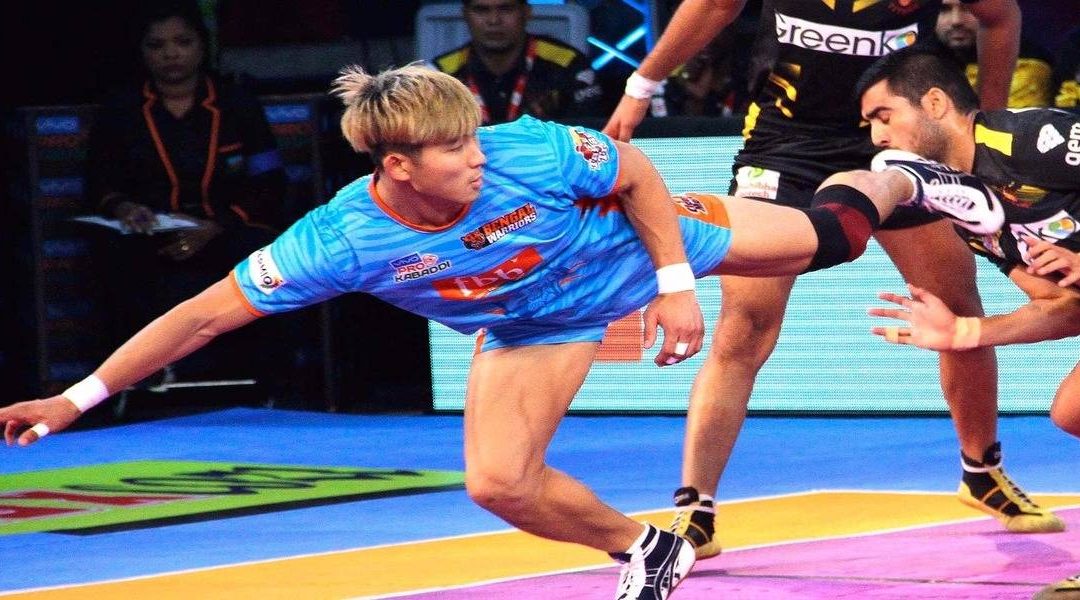
Footwork is one of the most important skills in kabaddi. Whether you are a raider darting across the opponent’s half or a defender ready to stop a raid, quick and precise footwork can make the difference between winning and losing.
Watching the Pro Kabaddi League closely, I’ve seen players like Pawan Sehrawat and Naveen Kumar spend hours perfecting their steps. Footwork is what makes their moves look smooth, fast, and hard to catch.
The good news is that you don’t need a fancy court or expensive equipment to improve your footwork. With simple drills, a little space at home or school, and consistent practice, anyone can get faster, sharper, and more confident on the mat.
Why Footwork Matters
Footwork is the foundation of every move in kabaddi. For raiders, it decides how quickly they can cross the midline, dodge defenders, and return safely. For defenders, it controls how well they move side to side, maintain balance, and trap raiders at the right moment.
Even the fastest players can fail if their footwork is off. I’ve noticed in PKL matches that raiders who rush or misstep often get caught, while those with controlled, precise steps can escape even tricky tackles. For kids and beginners, good footwork also reduces the risk of injury and makes learning advanced moves much easier.
Think of it like building a house: footwork is the foundation. Without it, everything else becomes shaky.
Basic Footwork Techniques
If you want to improve, start with these simple techniques:
1. Stay Light on Your Feet
Never let your heels stay flat while moving. Stay on the balls of your feet. This makes turning, dodging, and sprinting faster and smoother.
2. Short, Quick Steps
Long strides may seem fast but can throw off your balance. Short, rapid steps let you move sideways or backward without losing control.
3. Lateral Movements
Defenders especially need to slide from side to side efficiently. Practice moving sideways without crossing your feet or wobbling.
4. Pivoting
Raiders often pivot to escape defenders. Practicing pivot turns helps you change direction quickly and keeps you unpredictable.
backwardsEven professional PKL players spend hours on these basics during the off-season. The trick is to make these movements feel natural so you can focus on the game instead of thinking about your steps.
Footwork Drills You Can Try
Here are some simple drills you can do anywhere:
Shadow Footwork
Imagine you are raiding or defending against real opponents. Move forward, backward, and side to side as if someone is chasing or blocking you. This builds coordination and muscle memory.
Cone Drills
Place small cones, bottles, or markers on the floor. Move through them using quick, light steps. Focus on precision, not speed at first. Pawan Sehrawat started with drills like these when he was learning, and it made his movements sharper.
Step Ladder Exercises
Draw a ladder on the ground with chalk or tape. Step in and out quickly, keeping your feet close to the ground. This improves agility, balance, and speed.
Backward and Sideways Runs
Practice moving backward or sideways, imagining a raider trying to escape. This helps defenders maintain control while reacting to raids.
Mini Game Simulation
Set up a small practice match with a friend or sibling. Pretend they are a raider or defender. Practice moving quickly, changing direction, and reacting to their moves. Even imaginary opponents work well if you are practicing alone.
Start slow, focus on correct form, and gradually speed up. Even 20–30 minutes every day makes a big difference over time.
Balance and Strength Matter
Footwork isn’t only about moving fast. It also relies on balance and leg strength. A strong core and legs make every step more powerful and controlled.
Simple exercises like squats, lunges, calf raises, and planks help. You don’t need heavy weights—your body weight is enough.
If you want a little extra challenge, small jumps or hop exercises build explosive power. These help raiders dodge defenders and defenders trap raiders effectively. Kids can safely do these at home under supervision.
Mental Focus and Footwork
Kabaddi is as much a mind game as it is physical. Raiders must anticipate defenders, and defenders must read raiders’ moves. Footwork drills done while thinking about the game help train the brain and muscles together.
One simple method: visualize a mini match in your head. Plan your path, imagine defender’s moves, and then act it out. This mental rehearsal improves reaction time, decision-making, and confidence during real games.
Even young players who practice like this notice they react faster and make fewer mistakes.
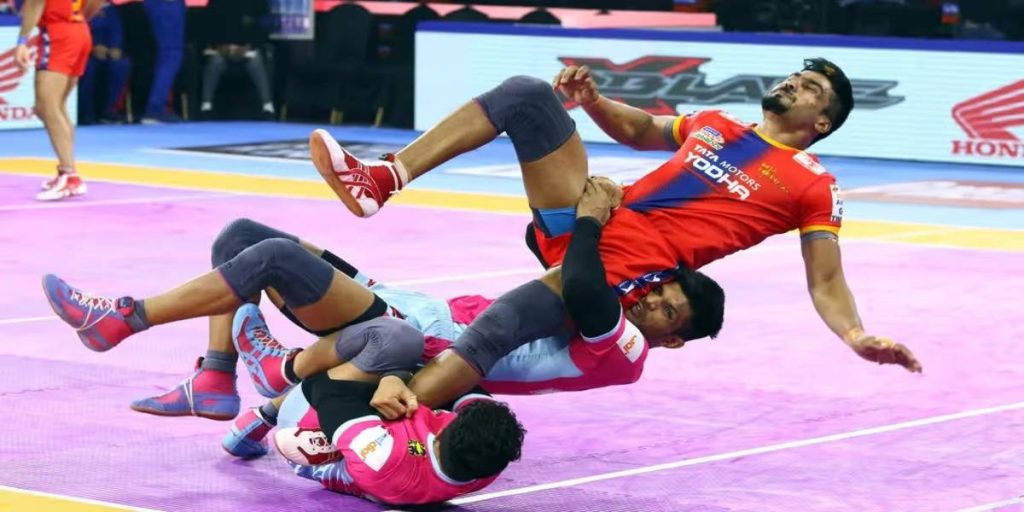
Practicing Footwork at Home
You don’t need a full PKL arena to practice:
- Mark a small area with chalk or tape.
- Move forward, backward, and sideways in this space.
- Focus on controlled, precise steps, not running wild.
- Pretend there are defenders or raiders to simulate real gameplay.
Short, consistent sessions are better than long, exhausting ones. Daily practice helps build skill and confidence steadily.
Common Mistakes to Avoid
Beginners often make these mistakes:
- Taking long steps that reduce control.
- Lifting feet too high and slowing down.
- Losing balance while changing direction.
- Practicing too fast before mastering correct form.
Always prioritize correct form first. Speed comes naturally once your steps feel right. Even pro players emphasize this during training.
A Simple Weekly Footwork Plan for Kids
| Day | Activity | What to Focus On | Fun Tip |
| Monday | Shadow Footwork & Short Sprints | Move forward, backward, sideways with quick steps | Pretend you are sneaky like a raider dodging defenders |
| Tuesday | Cone Drills & Lateral Movements | Side-to-side moves, stay light on feet | Imagine cones are obstacles you must escape without touching |
| Wednesday | Step Ladder Exercises & Pivot Turns | Quick stepping, turning sharply | Pretend each square is a stepping stone in a river |
| Thursday | Mini Game Simulation | Practice raids and defenses with a friend | Turn it into a fun match, cheering each other |
| Friday | Backward & Sideways Runs | Precision and control | Pretend you are sneaking back without letting defenders see |
| Saturday | Strength & Balance Exercises | Squats, lunges, calf raises, planks | Count aloud or make it a challenge with a friend |
| Sunday | Rest & Light Stretching | Recover muscles and relax | Listen to music or do fun stretches like touching toes or star jumps |
Extra Tip for Kids: Even 20–30 minutes a day can make your footwork sharper. Small daily efforts add up to big improvements over time.
The Bigger Picture
Footwork in kabaddi is not just a skill—it is the foundation for raiding, defending, and overall strategy. Players with strong footwork can execute advanced moves, escape tackles, and maintain balance in high-pressure situations.
Players like Naveen Kumar and Pawan Sehrawat didn’t reach the top overnight. Their success came from daily practice, attention to detail, and mastering footwork first, before adding complex techniques.
For young players, mastering footwork first creates a solid foundation for future success.
Conclusion
Improving footwork in kabaddi is essential for every player. With simple drills, daily practice, strength exercises, mental focus, and consistency, kids and beginners can enhance agility, speed, and confidence.
Footwork is behind every successful raid and strong defense. Kabaddi is not just about strength; it is about strategy, precision, and movement. By mastering footwork early, players can take one big step closer to becoming skilled and confident kabaddi players.
Remember, every pro player started with the basics. Daily practice, patience, and focus on footwork can make you ready for bigger challenges. Kabaddi rewards preparation, agility, and smart movement. Start small, stay consistent, and you will see yourself improving match after match.

“Rohit is a seasoned sports journalist with over 5 years of experience specializing in Indian sports. He has built a reputation for his deep-dive analysis of the Pro Kabaddi League (PKL) and domestic Indian Cricket. From tracking player auctions to breaking down match-winning strategies, Rohit provides fans with expert insights grounded in years of on-ground reporting and statistical analysis.