
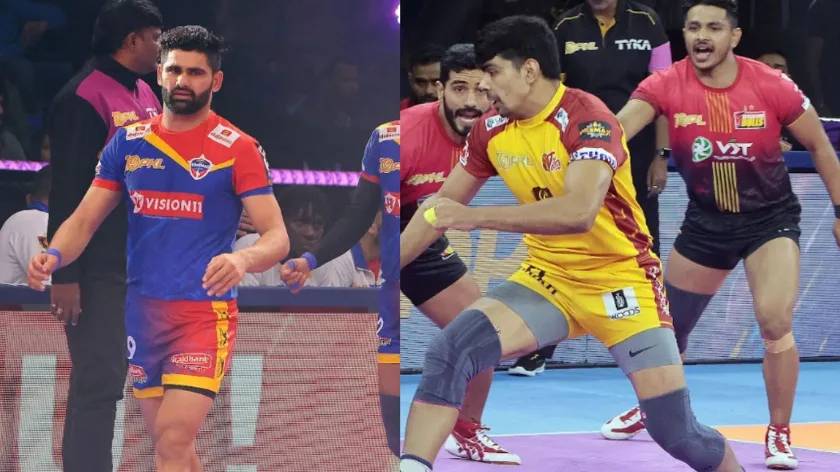
Professional kabaddi players are some of the most disciplined athletes in India. While fans see them perform fiercely on the mat during PKL matches.
A few understand the effort and structure behind their daily lives.
Every day in a pro kabaddi player’s life is carefully planned to improve fitness, skill, recovery, and mental strength.
Whether it is the off-season or the league season, their schedule is built to maintain peak performance.
From early morning workouts to evening recovery routines, professional kabaddi players focus on small details that can make the difference between winning and losing.
Top players like Rahul Chaudhari and Deepak Niwas Hooda credit their daily routines for helping them perform consistently at high levels.
Coaches and trainers across PKL teams closely monitor these routines, ensuring players maintain discipline and continue improving even when there are no live matches.
Morning Routine: Starting the Day Right
Most professional kabaddi players wake up very early, usually between 5:30 and 6:30 AM. The morning begins with light cardio exercises, stretching, and warm-ups.
This helps loosen muscles, improve flexibility, and prepare the body for the intense training ahead.
Many players also include core workouts, which strengthen the abdomen and lower back. These are the key areas for raiders and defenders.
Breakfast is another important part of their morning routine. Professional athletes typically eat protein-rich meals, including eggs, milk, oats, or Indian staples like poha and paratha with curd.
Hydration is strictly monitored, as it is essential for energy and muscle recovery.
Some players also practice short meditation or visualization exercises in the morning to focus the mind and set goals for the day.
According to PKL trainers, starting the day with both physical and mental preparation significantly improves match readiness and overall performance.
Training Sessions: Skill, Strength, and Strategy
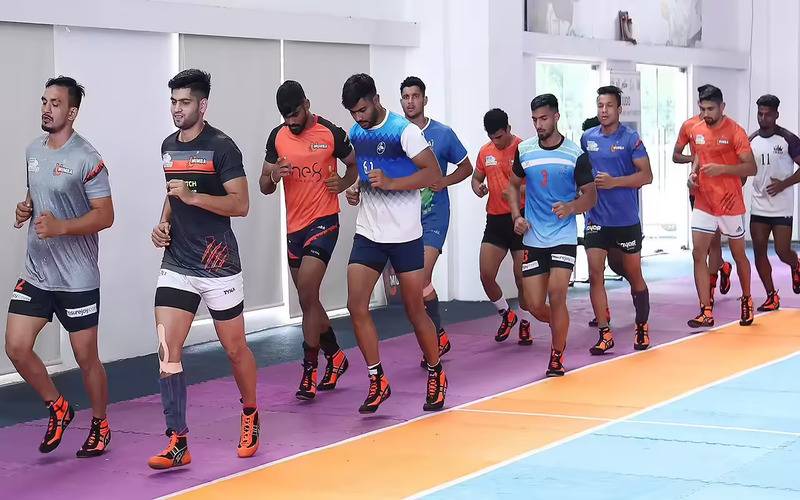
After breakfast and initial warm-ups, players move to the main training sessions.
These sessions usually last two to three hours and include a mix of skill, strength, and agility exercises.
Raiders focus on raiding drills, dodging techniques, and bonus line strategies, while defenders work on tackling, grip strength, and proper positioning.
Strength training forms a crucial part of their routine. Exercises like squats, lunges, push-ups, resistance band workouts, and plyometric drills build explosive power.
Agility ladder exercises, cone drills, and shuttle runs improve footwork and speed.
Trainers often divide sessions according to player positions, ensuring every athlete gets role-specific practice.
Many pro players report that this focused training allows them to react faster during high-pressure moments in matches.
Midday Recovery and Nutrition
Lunch is another carefully planned meal, usually high in protein, moderate in carbohydrates, and balanced with healthy fats.
For example, rice, lentils, chicken or fish, vegetables, and fruits. Hydration remains a priority, with players drinking water or electrolyte-rich drinks throughout the day.
Midday recovery is equally important. Players often take short rests, undergo physiotherapy, or perform light stretching to avoid injuries.
Many PKL teams have in-house nutritionists and physiotherapists who guide athletes on recovery and diet plans.
These measures ensure that even after intense morning sessions, players are ready for the afternoon or evening practice.
Evening Routine: Practice Matches and Cooldown
Evening sessions typically involve match simulations or practice matches. Players rehearse strategies, perform tackles and raids under controlled conditions, and focus on coordination with teammates.
Many teams also include video analysis of past matches to improve tactics and decision-making. This helps players understand mistakes, refine skills, and prepare for future opponents.
After practice matches, cooldown sessions like yoga, stretching, and light jogging are common.
These activities reduce muscle soreness, improve flexibility, and prevent injuries.
Some players also spend time on mental exercises, reviewing goals and preparing mentally for the next day’s training.
Mental Preparation and Night Routine
Mental strength is as important as physical fitness. Many pro players practice meditation, focus drills, or visualization techniques at night.
They mentally simulate match situations, plan strategies, and reinforce confidence. Coaches often emphasize that a sharp mind during training and recovery periods directly impacts performance during matches.
Sleep is the final and essential part of their daily routine.
Professional kabaddi players aim for 7–8 hours of uninterrupted sleep to allow muscle recovery and mental rejuvenation.
This disciplined sleep schedule ensures their body is fully prepared for another day of rigorous training.
Lessons for Aspiring Kabaddi Players
Even young or beginner players can take inspiration from these routines:
Consistency over intensity: Small daily improvements accumulate over time.
Balanced training: Skill, strength, and recovery are equally important.
Mental preparation matters: Visualization and focus exercises improve decision-making.
Structured schedule: Discipline in daily life builds professional habits.
Proper nutrition: Balanced meals and hydration enhance energy and recovery.
Adopting even parts of these routines can help aspiring kabaddi players improve faster and stay ahead in competitive matches.
Conclusion
A professional kabaddi player’s day is a careful balance of skill practice, strength and agility training, diet, recovery, and mental preparation.
It is a disciplined life where every hour is planned to ensure peak performance.
Understanding the behind-the-scenes effort highlights why champions succeed in PKL and other competitions.
For young players, following such structured routines is the key to achieving long-term success in kabaddi.

“Rohit is a seasoned sports journalist with over 5 years of experience specializing in Indian sports. He has built a reputation for his deep-dive analysis of the Pro Kabaddi League (PKL) and domestic Indian Cricket. From tracking player auctions to breaking down match-winning strategies, Rohit provides fans with expert insights grounded in years of on-ground reporting and statistical analysis.