
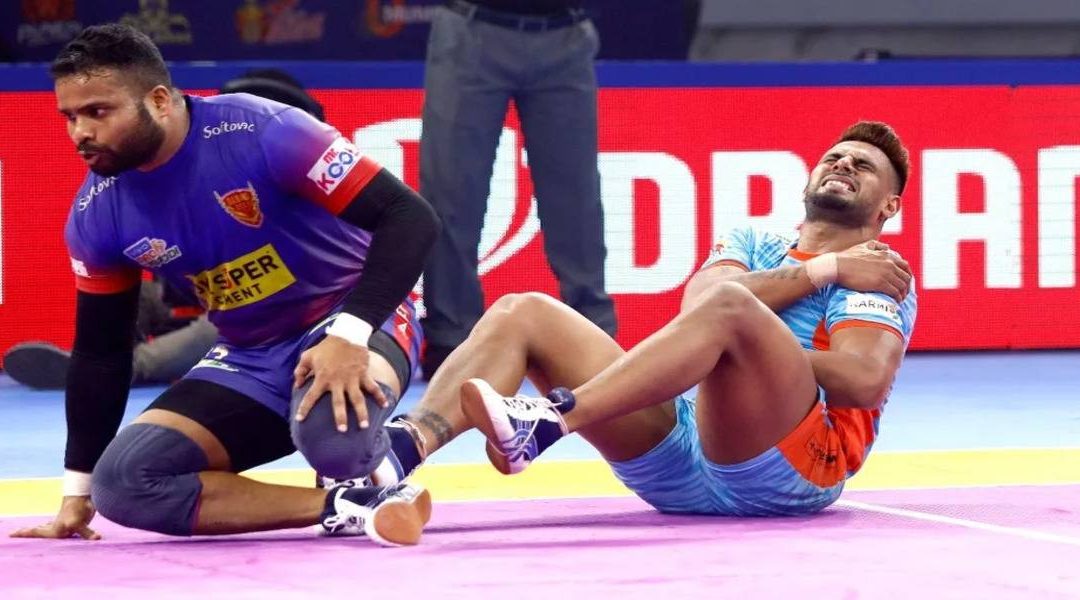
Kabaddi is one of the most demanding sports in the world. Every raid, every tackle, every jump, every dash, everything puts pressure on the muscles, joints, lungs, and nervous system.
A match may last only 40 minutes, but the body feels the impact for hours. That is why post-match recovery is just as important as pre-match preparation or training.
If a player does not recover properly after a match, they slowly lose stamina, strength, flexibility, and mental freshness over time.
Many young players think recovery means only resting or lying down, but in kabaddi, recovery is a full process.
It includes what you eat, how you cool down, how you stretch, what you drink, how you sleep, and how you treat small injuries before they become bigger problems.
Proper recovery is the reason why professional kabaddi players can play back-to-back matches in tournaments without getting injured or burned out.
This guide explains the most important post-match recovery steps in simple language, so even beginners can follow them and improve their performance safely.
Why Recovery Is Critical After a Kabaddi Match
Kabaddi requires the body to work at maximum intensity. Raiders need explosive power during toe touches, running kicks, and escapes.
Defenders use massive strength and stability during ankle holds, thigh holds, and chains. All these movements create micro-tears in the muscles and use up the body’s stored energy.
After a match, the body is tired, dehydrated, stiff, and low on fuel. If a player goes home and sleeps without proper recovery, the next day they will feel slow, sore, and weak.
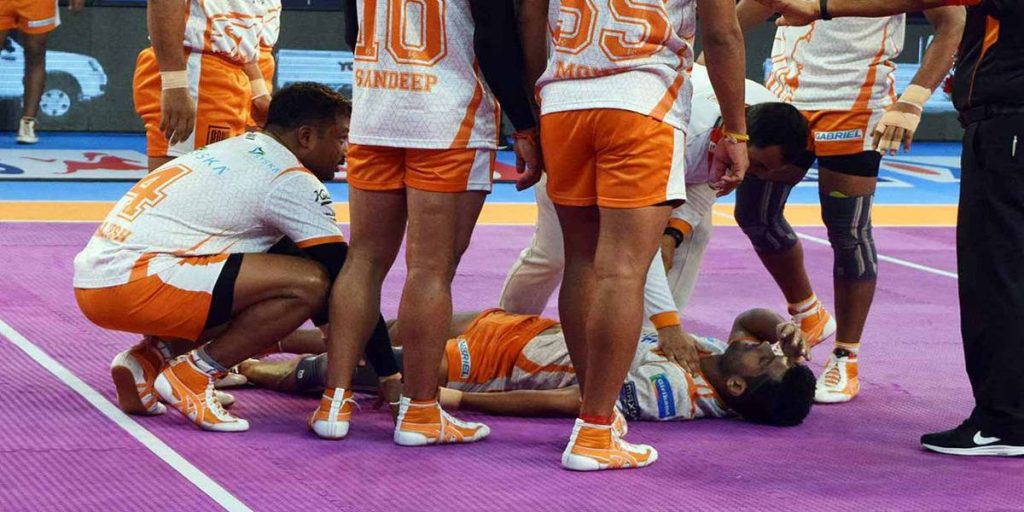
Over time, this leads to injuries like hamstring pulls, shoulder sprain, knee pain, and back stiffness.
Recovery allows the body to repair muscles, refill energy stores, reduce inflammation, and restore mental sharpness. It helps a player stay consistent through long training weeks and tournaments.
The Cool-Down Phase: The First Step After the Match
Once the match ends, the body is still heated and the heart rate is high. Stopping immediately is not healthy. A small cool-down phase helps bring the heart rate back to normal and relax the muscles.
Most professional players jog lightly for a few minutes, walk around the mat, and perform slow breathing.
This phase removes lactic acid from the muscles, making the player feel less sore the next day. It also improves blood flow, helping the muscles carry away waste and bring in fresh oxygen.
A player who skips the cool-down often feels tightness in the legs and back by the next morning.
The cool-down stage does not take long — even five minutes is enough — but skipping it is a mistake young players often make.
Stretching: Preventing Stiffness and Injuries
After cool-down, the next major step is stretching.
Kabaddi players use every muscle from shoulders to calves, so stretching helps loosen the body. Simple stretches for hamstrings, quads, hips, shoulder muscles, and lower back can prevent next-day stiffness.
Many raiders stretch their hip flexors deeply because raiding demands extreme leg flexibility.
Defenders stretch shoulders and back muscles because tackles require strong upper body pressure. Stretching also improves joint movement and reduces the chance of cramps.
The best kind of stretching after a match is static stretching — holding each stretch for 20–30 seconds. It relaxes muscles and reduces tightness. Dynamic stretching is avoided at this stage because the body needs to calm down, not activate again.
Rehydration: Replacing Lost Fluids and Salts
Kabaddi players lose a lot of sweat during a match. Sweat removes water and important minerals like sodium and potassium, which are needed for muscle function.
If a player does not replace these fluids, they feel dizzy, tired, or get cramps later.
The best post-match drink is simple water mixed with electrolytes.
Coconut water is also excellent because it has natural salts and sugar. Sports drinks can be helpful but should not be overused because many contain too much sugar.
Hydration should continue for hours after the match, not just right after it ends. Small sips throughout the evening help the body recover fully. A dehydrated player never performs well in the next match.
Post-Match Nutrition: What to Eat After the Game
Eating the right food after a match is one of the most important parts of recovery. The goal is to repair muscles and restore energy.
Right after the match, the body absorbs nutrients faster, so eating within 30–45 minutes is ideal.
Carbohydrates help refill glycogen, the fuel the body burns during raiding and defending. Protein helps repair the small muscle tears created during heavy movements. That is why kabaddi players often eat a combination of both.
A simple Indian post-match meal can include rice, roti, dal, eggs, curd, paneer, or a banana.
Some players prefer milk with jaggery because it restores energy quickly. Heavy or spicy food is not recommended because the stomach is sensitive after intense activity.
Players should focus on natural foods rather than fried or sugary snacks. A good post-match meal helps the body recover so the player can train again the next day without feeling weak.
Ice Bath and Cold Therapy
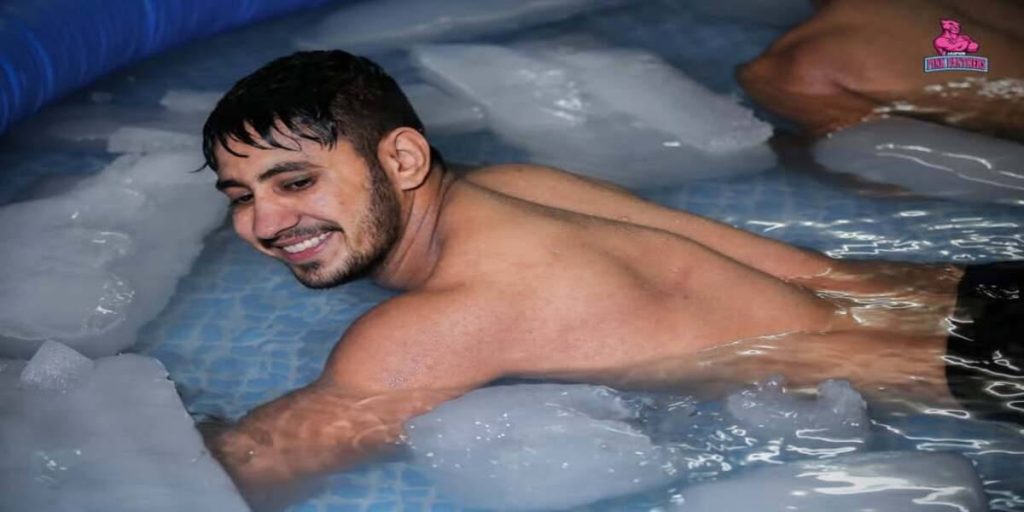
Many kabaddi players use ice packs or sometimes even ice baths to reduce inflammation.
Cold therapy helps calm swollen joints and reduces pain after heavy tackles. A simple method is placing ice on knees, shoulders, or ankles for 10–15 minutes.
Young players often ignore small injuries thinking they will go away, but untreated soreness can turn into a serious injury. Ice therapy protects muscles and keeps them fresh.
Some professional players alternate between warm and cold water, which boosts blood circulation. It helps stiffness go away faster and heals micro-tears in muscles.
Sleep: The Most Powerful Recovery Tool
Sleep is the body’s natural healing system. During sleep, muscles repair themselves, the heart rests, the mind resets, and hormones balance. Without proper sleep, no recovery method will work fully.
Kabaddi players need at least 7–8 hours of quality sleep after a match. Deep sleep increases muscle rebuilding and improves reaction time. Players who sleep poorly feel slow the next day and cannot focus during fast movements.
A simple routine like avoiding heavy mobile phone use, keeping the room dark, and drinking a little warm water helps the body relax and sleep better.
Mental Recovery
Kabaddi matches involve not only physical work but also mental pressure. Players face crowd noise, competition stress, last-minute decisions, and constant planning. After the match, the mind needs rest as much as the body.
Simple relaxation techniques like slow breathing, light music, or talking with teammates reduce stress. Some players review their match performance later, but immediate mental rest is more important.
A calm mind helps players learn faster, stay confident, and handle pressure better in the next match.
Light Activity the Next Day
The day after a match should not be heavy training. Light jogging, stretching, yoga, or core exercises help the body stay flexible and reduce stiffness. This keeps the muscles active without overloading them.
Most professional kabaddi teams avoid heavy tackles or sprint training the day after a match. The goal is to let the body recover fully before pushing it again.
Conclusion
Recovery is the secret behind a kabaddi player’s long and successful career.
Matches are intense, but what happens after the match decides whether a player stays injury-free, energetic, and mentally strong for the next challenge.
From cool-down and stretching to hydration, proper food, sleep, and mental rest, every step plays a role in building a strong and healthy athlete.
A player who takes recovery seriously will always have more stamina, better flexibility, sharper reflexes, and faster improvement. Kabaddi is not just about power only, it is about smart preparation, smart playing, and smart recovery.

“Rohit is a seasoned sports journalist with over 5 years of experience specializing in Indian sports. He has built a reputation for his deep-dive analysis of the Pro Kabaddi League (PKL) and domestic Indian Cricket. From tracking player auctions to breaking down match-winning strategies, Rohit provides fans with expert insights grounded in years of on-ground reporting and statistical analysis.