
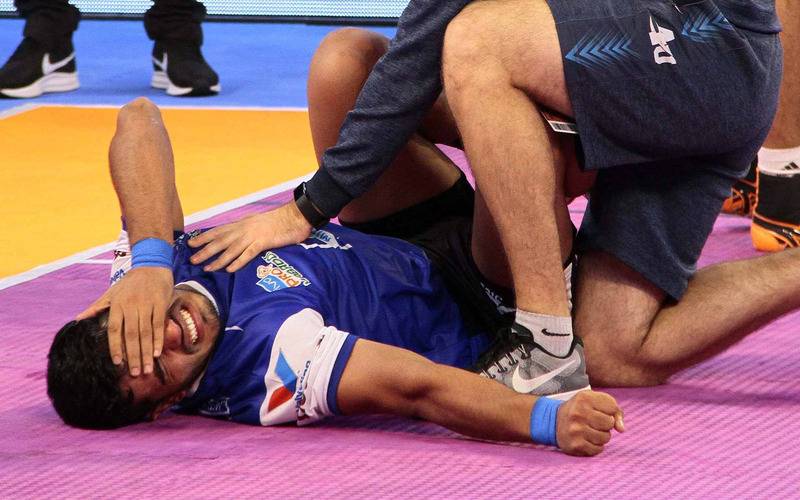
Playing kabaddi at the professional level is tough and we mean it is really tough. The sport demands quick sprints, explosive strength, powerful tackles, and non-stop focus.
Now imagine doing all this day after day, sometimes with less than 24 hours between two high-intensity matches.
That is exactly what players face in competitions like the Pro Kabaddi League (PKL) and national-level tournaments where schedules are tight and pressure is high.
So how do kabaddi players keep their bodies fresh, avoid injuries, and stay mentally sharp even when the matches come back-to-back?
Their recovery system is much deeper than fans usually imagine. It includes physio support, smart hydration, sleep management, ice therapy, massage sessions, the right food, mental recovery, and even breathing techniques.
Let’s break down the complete recovery system that helps kabaddi players return to the mat at 100%.
Why Fast Recovery Matters So Much in Kabaddi
Unlike many sports, kabaddi puts heavy pressure on the lower back, knees, shoulders, and hamstrings.
A raider may complete up to 35–45 raids per match, and defenders perform multiple high-impact tackles. If recovery isn’t quick and effective:
- Players get tired faster
- Reaction time slows down
- Muscle soreness increases
- Injuries become more frequent
- Match performance drops
This is why recovery is treated as seriously as training. As one PKL physio once said, “A good recovery session is equal to half a training session.”
Immediate Post-Match: The Critical Golden Hour
The moment the match ends, players don’t simply walk away. Their recovery starts instantly.
1. Cool Down Routine
A kabaddi match pushes the heart rate very high. Stopping suddenly can cause stiffness and cramps.
So players begin with:
- Light jogging
- Slow walking
- Gentle stretching
- Deep breathing
These 10–15 minutes help remove lactic acid from muscles and reduce soreness.
2. Hydration and Electrolytes
During matches, players sweat heavily and lose salts. Dehydration can increase muscle fatigue and slow reaction time the next day.
Most players drink:
- Electrolyte water
- Coconut water
- ORS solutions
- Lemon water
Hydration is one of the simplest but most effective recovery steps.
Ice Baths and Cryotherapy: The Secret Weapon
Almost every kabaddi player uses ice treatment after a tough match. Cold therapy lowers inflammation and helps muscles relax.
Common cryotherapy methods used:
Ice bath for 5–8 minutes
Ice packs on sore areas
Cold compress for joints like knees and shoulders
Raiders often apply ice on hamstrings, ankles, and lower back, while defenders focus on shoulders, thighs, and knees.
This step alone can reduce soreness by up to 30–40% by the next morning.
Professional Physio Treatment
Every PKL team has expert physiotherapists who understand kabaddi-specific injuries. Their job becomes even more important during back-to-back matches.
Techniques used by physios include:
- Sports massage
- Trigger-point release
- Stretching therapy
- Dry needling (only when necessary)
- Ultrasound therapy
- Taping and strapping for weak joints
Players trust their physio team deeply. A good physio can honestly extend a player’s career by several years.
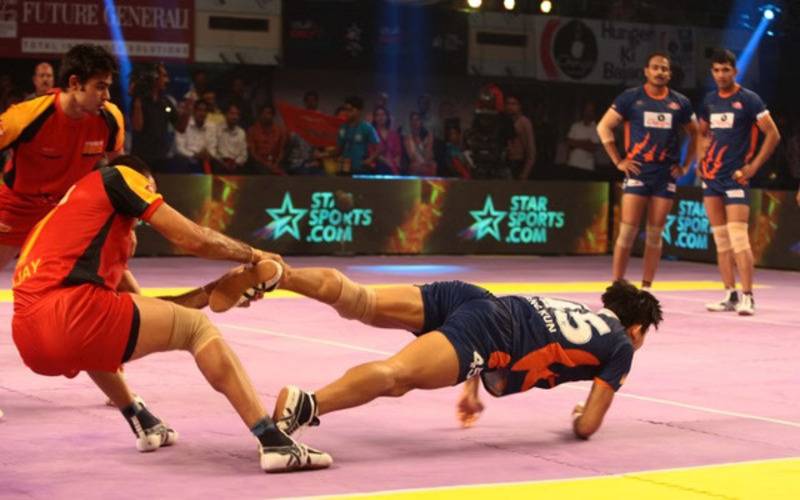
Nutrition: Fueling the Body for Next Match
Recovery is incomplete without the right food. Kabaddi players follow a carefully designed diet that focuses on:
1. Protein for muscle repair
Common sources:
Chicken, eggs, paneer, lentils, whey protein shakes.
2. Carbohydrates for energy
Players need immediate energy replacement after matches. Foods like rice, roti, pasta, oats, potatoes, and fruits help refill energy stores.
3. Healthy fats for long-term strength
Nuts, seeds, ghee in moderation, and olive oil are key.
4. Anti-inflammatory foods
Turmeric milk, berries, ginger, almonds, spinach. All these help reduce swelling and soreness.
Many players drink a protein shake within 30 minutes after the match. This is considered the “muscle-repair window.”
Sleep: The Most Powerful Recovery Tool
No matter how advanced recovery science becomes, sleep remains the number one healing method.
Kabaddi players try to get:
- 8 to 9 hours of sleep
- Plus a 30-minute afternoon nap when matches are tight
- Why sleep matters:
- Muscles repair fastest during deep sleep
- Mental sharpness improves
- Reaction time increases
- Stress levels drop
Teams sometimes even assign a “sleep schedule coach” who ensures players sleep at the right time after night matches.
Light Training on the Next Day
After back-to-back matches, players don’t do heavy practice. Instead, they focus on:
- Slow jogging
- Mobility drills
- Yoga
- Breathing exercises
- Stretching
These sessions prevent stiff muscles and help players stay flexible for the next match.
Some players also use foam rollers to relieve tightness in the back and legs.
Mental Recovery: The Most Underrated Part
Kabaddi is 50% physical and 50% mental. When matches are back-to-back, players barely get time to reset mentally. Mental fatigue can affect decision-making, timing, and confidence.
To avoid this, players use methods like:
- Guided breathing
- Meditation
- Short visualization sessions
- Controlled focus drills
- Talking with sports psychologists
Mental recovery helps players forget the last match whether it was good or bad and stay sharp for the next one.
Team Meetings and Tactical Reset
Even during tight schedules, coaches hold short tactical meetings. These meetings focus on:
- What went wrong
- What worked
- Opponent analysis
- Strategy changes
- Individual feedback
But coaches keep these sessions short to avoid overloading the players’ minds.
Why Strong Recovery Systems Help Prevent Injuries
Back-to-back matches increase the risk of:
- Hamstring pulls
- Ankle twists
- Shoulder dislocations
- Knee ligament strain
- Lower back pain
A strong recovery routine reduces these risks and helps players stay available for the full season.
This is why national-level and PKL stars always say recovery is more important than practice during tight tournaments.
Conclusion
Kabaddi may look like a raw, aggressive sport on the outside, but behind the scenes, it is supported by science, planning, physio care, diet, hydration, sleep management, and mental training.
When matches are back-to-back, this recovery routine becomes a lifeline for players.
From ice baths to sports massages, protein meals to tactical meetings. Everything is designed to help them return to the mat stronger the next day.
That is how kabaddi players survive the chaos of tight schedules and still perform at world-class levels.

“Rohit is a seasoned sports journalist with over 5 years of experience specializing in Indian sports. He has built a reputation for his deep-dive analysis of the Pro Kabaddi League (PKL) and domestic Indian Cricket. From tracking player auctions to breaking down match-winning strategies, Rohit provides fans with expert insights grounded in years of on-ground reporting and statistical analysis.