
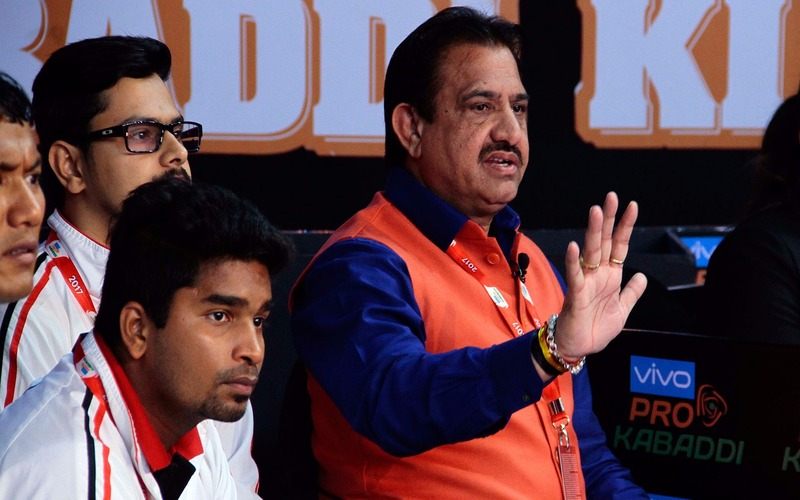
Kabaddi is a game of intense physical contact, split-second decisions, and mental toughness.
While stamina, skill, and strength are crucial throughout a match, the last five minutes often decide the outcome.
These minutes are when fatigue sets in, scores are close, and every decision carries immense weight.
For professional kabaddi players, handling this pressure requires mental resilience, strategic thinking, and physical readiness.
This article explores how players manage the stress of the final moments, highlighting real strategies, training techniques, and examples from top athletes.
Understanding the Pressure
The last five minutes of a kabaddi match are unique for several reasons:
- High stakes: Every raid or tackle can change the scoreboard dramatically.
- Fatigue: Players are physically exhausted, which can affect decision-making and reaction time.
- Psychological stress: Players face the pressure of teammates, coaches, and fans expecting a win.
These factors combine to create a challenging environment where mental toughness becomes as important as physical ability.
Mental Preparation Throughout the Season
Handling pressure in the final minutes is not a skill developed overnight. Professional kabaddi players train their minds as rigorously as their bodies:
Visualization: Players imagine high-pressure situations in training, mentally rehearsing successful raids and tackles.
Focus drills: Concentration exercises help athletes block out distractions from the crowd, scoreboard, or fatigue.
Stress management techniques: Breathing exercises and meditation are used to calm the mind during tense moments.
For example, Pardeep Narwal credits his ability to stay calm in close matches to regular meditation and mental rehearsal of difficult game scenarios.
Physical Readiness and Stamina Management
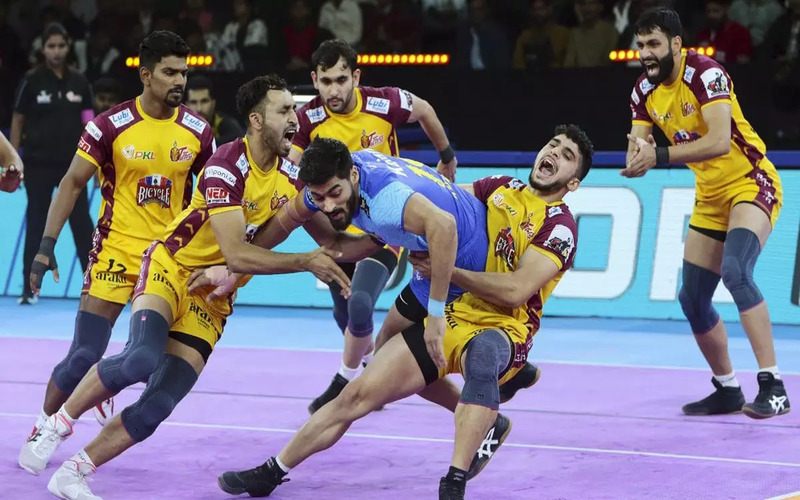
Even the most focused player cannot perform without endurance. The last five minutes demand peak physical fitness, because a single lapse can cost the game.
Energy conservation: Experienced players manage stamina throughout the match, pacing themselves so they have enough energy for the final minutes.
Agility under fatigue: Training with high-intensity drills ensures raiders and defenders can react quickly even when tired.
Injury awareness: Players learn to perform safely under stress, minimizing the risk of late-game injuries that could weaken the team.
This combination of mental and physical preparation allows players to remain effective even under extreme fatigue.
Tactical Decision-Making in the Final Minutes
Strategy becomes crucial during the last five minutes. Decisions must be calculated, quick, and adaptable:
Raid selection: Raiders often choose safer, high-probability raids rather than risky maneuvers.
Targeting weaker defenders: Experienced players identify vulnerable opponents for higher success chances.
Defensive positioning: Defenders anticipate raiders’ moves, sometimes forming double tackles to secure crucial points.
Team communication: Signals and verbal cues are used to adjust strategy in real-time.
For instance, raiders like Rahul Chaudhari adapt their speed and approach based on the opposing team’s formation, demonstrating both strategic intelligence and mental composure.
Handling Psychological Pressure
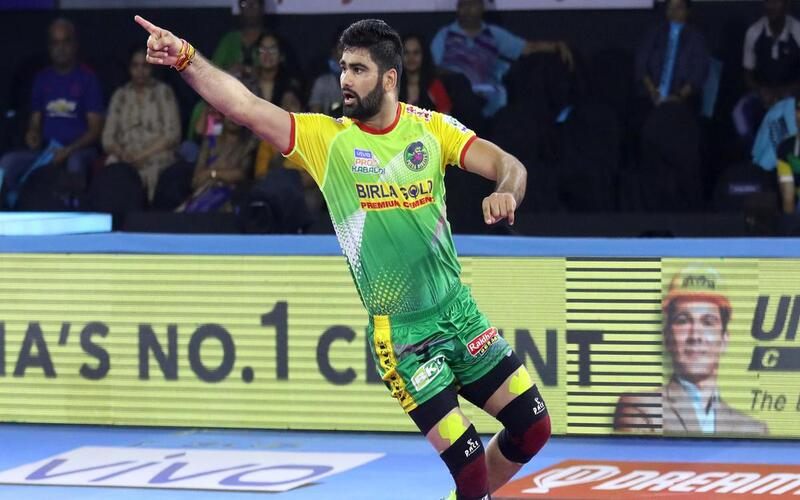
The mental aspect in the final five minutes is immense. Players face not just the fear of losing but also self-expectation and crowd pressure:
Positive self-talk: Athletes reinforce confidence internally, reminding themselves of their training and previous successes.
Staying in the moment: Instead of worrying about the score, players focus on each move individually.
Resilience to setbacks: A failed raid or tackle doesn’t break concentration; mental conditioning teaches players to bounce back instantly.
This mental resilience separates elite players from average ones and often determines the match outcome.
Examples from Professional Kabaddi
Many top players excel in high-pressure scenarios:
Manjeet Chhillar: Known for last-minute tackles, he combines strength with anticipation and mental calm to neutralize raiders in clutch situations.
Tejaswini Bai: A leading female defender, she stays composed under pressure, reading raiders’ patterns to make critical tackles.
Ajay Thakur: Uses strategic awareness to decide which raids to attempt, avoiding unnecessary risks while maintaining point scoring.
These players demonstrate that preparation, focus, and tactical intelligence are as important as raw skill when the clock ticks down.
Training for Pressure Situations
Coaches often simulate final-minute pressure during training:
Countdown drills: Players practice with limited time, replicating high-stress moments of a match.
Fatigue drills: Athletes perform complex skills after intense physical activity to mimic end-of-match exhaustion.
Scenario-based games: Mini-matches with close scores teach players decision-making under pressure.
Such targeted training ensures players enter real games mentally prepared and physically capable of performing in clutch moments.
Lessons for Young Players
Young kabaddi aspirants can learn critical lessons from professional handling of pressure:
Train for mental toughness: Meditation, visualization, and focus exercises are as important as physical drills.
Manage energy throughout the match: Stamina conservation ensures you stay effective in critical moments.
Adapt strategy dynamically: Always assess opponents’ weaknesses and adjust accordingly.
Stay in the moment: Avoid overthinking the score; concentrate on executing each move perfectly.
Resilience is key: Mistakes happen, but recovery and focus determine the outcome.
By practicing under simulated pressure, young players develop the confidence and mental strength required to excel in real match situations.
Conclusion
The last five minutes of a kabaddi match are where champions are truly tested. Professional players combine mental resilience, strategic thinking, and physical fitness to manage pressure and deliver clutch performances.
From visualization and focus drills to energy management and tactical decision-making, every aspect of preparation matters.
Players like Pardeep Narwal, Manjeet Chhillar, and Ajay Thakur exemplify how preparation and composure under pressure can lead to match-winning moments.
For aspiring kabaddi stars, understanding the psychology, tactics, and fitness behind handling pressure in the final minutes is essential.
In kabaddi, it is not just about skill; it is about staying calm, making smart decisions, and executing with precision when it matters most.

“Rohit is a seasoned sports journalist with over 5 years of experience specializing in Indian sports. He has built a reputation for his deep-dive analysis of the Pro Kabaddi League (PKL) and domestic Indian Cricket. From tracking player auctions to breaking down match-winning strategies, Rohit provides fans with expert insights grounded in years of on-ground reporting and statistical analysis.