
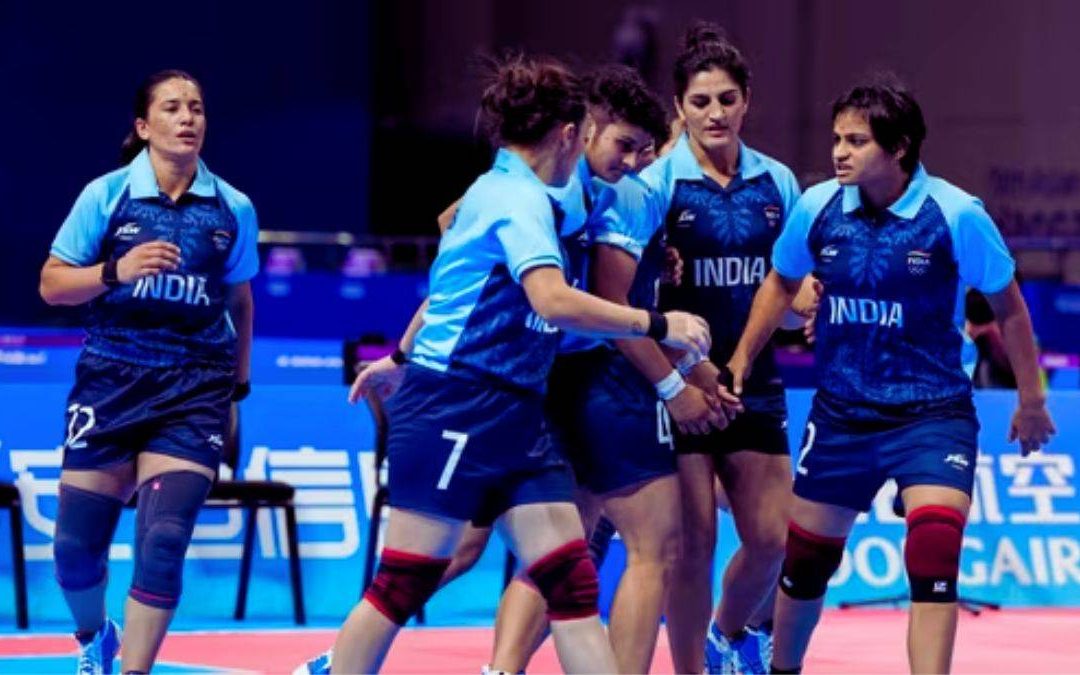
For many years, kabaddi in India was seen as a men’s sport because it is rough, physical, and dominated by male athletes.
But in the last two decades, something truly powerful began to happen. Women not only entered the sport but slowly transformed it with determination, discipline, and extraordinary performances.
Today, women’s kabaddi in India is one of the fastest-growing parts of the sport, with rising talent, professional leagues, and athletes who inspire a new generation of girls.
This rise was not sudden. It came after years of struggle, cultural barriers, lack of facilities, and limited recognition. Yet, despite these challenges, Indian women created a kabaddi revolution that the entire world is recognising.
Early Struggles and Lesser-Known Beginnings
Women’s kabaddi existed long before it became popular, but nobody noticed. Small local tournaments, school-level competitions, and district games were the main platforms where young girls played.
Many athletes came from rural backgrounds where kabaddi was a natural part of life. The open fields, raw physical play, and community competitions allowed girls to unknowingly build strong basics.
However, social pressures made the journey tough.
Many families felt kabaddi was “too rough for girls” or “not a safe sport.”
Some players were even asked to quit because people thought there was no future in it.
Facilities were poor, coaching was limited, and players had to fight for even basic support like shoes, mats, and nutrition.
But those who continued did so because of pure passion. Their commitment laid the foundation for what women’s kabaddi has become today.
The Turning Point: National Recognition
The real rise began when women’s kabaddi started getting structured tournaments at the national level.
National championships, university competitions, and interstate matches gave players a competitive environment and better exposure.
Coaches trained them more professionally, and federations began noticing the potential.
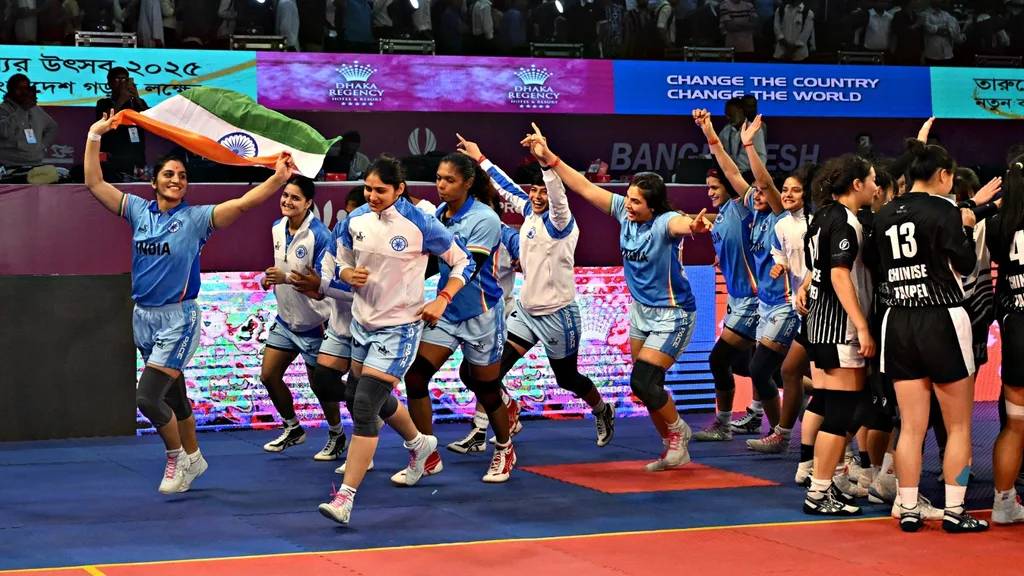
The biggest push came when women’s kabaddi was included in the Asian Games. By stepping onto an international platform, female athletes felt a new sense of respect and responsibility.
When India won the gold medal in 2010 and 2014, it proved to the world that Indian women could dominate kabaddi just like men.
These victories were more than medals. They changed public perception. Suddenly, families, schools, and federations started supporting the sport more seriously.
Rise of Professional Training and Better Infrastructure
Once women started performing globally, training methods improved rapidly.
States like Haryana, Himachal Pradesh, Maharashtra, Kerala, and Karnataka built strong training centres.
School programmes added kabaddi training. Coaches who previously trained only boys began focusing on girls’ teams too.
Scientific training entered women’s kabaddi:
- Strength conditioning
- Flexibility work
- Injury prevention
- Match analysis
- Position-based skills
Players trained on proper mats instead of rough ground. Physiotherapists, nutritionists, and fitness trainers became part of top teams. This improved both performance and confidence.
The difference was visible on the mat in faster raids, stronger holds, better teamwork, and more tactical gameplay.
The PKL Effect and Growing Media Attention
While the Pro Kabaddi League (PKL) mainly showcased men’s kabaddi, its success indirectly boosted women’s kabaddi as well.
Millions of viewers who discovered kabaddi through PKL also became curious about the women’s game.
Several PKL teams started supporting women’s training programmes and kabaddi academies. Sponsors, who earlier hesitated to invest in women’s kabaddi, began stepping forward.
There were discussions about launching a full women’s PKL, and although it has not become permanent yet, the early editions showed the huge potential.
For the first time, women kabaddi players began receiving media interviews, photo shoots, and online recognition.
Social media gave them a platform to share their stories, struggles, and successes.
Even today, some of the most popular kabaddi videos online feature young female players showcasing advanced skills, surprising the audience with their athleticism and speed.
Role of Families, Coaches, and Rural India
A major reason for the rise of women’s kabaddi in India is the new mindset among families. Earlier, many parents stopped their daughters from playing sports.
But after seeing women kabaddi players winning medals for India, families became more supportive.
Rural India also played a massive role.
Girls from villages often grow up doing physical work, playing outdoor games, and developing natural strength. Many top kabaddi players come from small towns where the sport is a part of daily life. Coaches in rural areas identified talent early and encouraged girls to chase the sport seriously.
These grassroots efforts created a strong base for women’s kabaddi.
New Stars Who Inspired an Entire Generation
Many female kabaddi players became role models because of their incredible journeys. Their stories deeply inspire young girls who dream of entering the sport.
Athletes like:
Tejaswini Bai
Mamatha Poojary
Payel Chowdhury
Dhanalakshmi Poojary
Ritu Negi
These players proved that Indian women can compete fearlessly at the highest level. Their discipline, fitness, and tactical intelligence earned global respect.
They didn’t just win matches. They broke stereotypes and showed what Indian women are capable of.
How Schools and Academies Are Shaping the Future
The biggest transformation today is happening at the youth level. Schools are organising kabaddi tournaments for girls.
Sports academies are scouting talent from very young ages.
State associations conduct under-14, under-17, and under-19 competitions regularly.
More girls now see kabaddi as a real career path.
They train with proper coaches, participate in national camps, and get access to better diet plans.
With increased opportunities, the depth of talent in women’s kabaddi is growing rapidly.
Challenges That Still Exist
Despite huge progress, women’s kabaddi still faces challenges:
- Limited professional leagues
- Lower salaries compared to men
- Fewer sponsorship opportunities
- Lack of proper equipment in smaller districts
Some athletes still face pressure from society or financial stress. But the situation is improving every year, and more organisations are now investing in women’s sports.
The Future of Women’s Kabaddi in India
The future looks extremely bright.
Women from India are now among the strongest kabaddi players in the world.
There are serious discussions about launching a full women’s PKL.
National camps are improving, academies are focusing on female athletes, and the government is paying more attention to women’s sports. With growing fan support, the sport will only become more popular.
The rise of women’s kabaddi is not just about sports. It is about empowerment, opportunity, and breaking barriers.
Today, every time a girl confidently steps on the kabaddi mat, she becomes part of a revolution that has been built by countless determined women before her.

“Rohit is a seasoned sports journalist with over 5 years of experience specializing in Indian sports. He has built a reputation for his deep-dive analysis of the Pro Kabaddi League (PKL) and domestic Indian Cricket. From tracking player auctions to breaking down match-winning strategies, Rohit provides fans with expert insights grounded in years of on-ground reporting and statistical analysis.