

Kabaddi has grown immensely in India, thanks to the popularity of the Pro Kabaddi League (PKL).
Yet, while men’s kabaddi enjoys fame and sponsorship, female players still face several challenges that make pursuing the sport much harder.
From social barriers to lack of proper facilities, the journey of a female kabaddi player is often one of struggle, determination, and resilience.
This article explores the challenges women face in kabaddi and highlights the inspiring efforts of those who overcome them.
Social and Cultural Barriers
In many parts of India, women playing contact sports like kabaddi is still seen as unusual or inappropriate.
Families often hesitate to let girls join kabaddi teams because of concerns about safety, reputation, or career prospects.
Parental hesitation: Parents may fear injuries or worry about societal judgement.
Community pressure: Female players sometimes face criticism from neighbors or relatives for choosing kabaddi over traditional activities.
Despite these pressures, many young women continue to pursue kabaddi, motivated by passion and dreams of national recognition.
Limited Access to Facilities and Training
Professional training facilities for female kabaddi players are far fewer compared to their male counterparts. Many players start in rural areas with minimal equipment, basic fields, and sometimes no proper mats.
- Training in open fields increases the risk of injuries.
- Lack of gyms and physiotherapists limits strength and injury recovery.
- Fewer coaches specializing in women’s kabaddi means less guidance on advanced techniques.
Yet, top female players like Tejaswini Bai and Dhanalakshmi Poojary often credit their resilience and adaptability for overcoming these challenges.
They learn to train smarter with limited resources.

Financial and Sponsorship Issues
Unlike male kabaddi players, female athletes struggle to find sponsorships and financial support. Many rely on government jobs, small stipends, or family support to continue training.
Travel expenses for tournaments can be high.
Access to nutrition, physiotherapy, and modern training tools is limited.
Despite financial hurdles, women in kabaddi often make personal sacrifices to pursue their sport. Their determination and persistence add to their inspiring stories.
Injuries and Health Challenges
Kabaddi is physically demanding, and injuries are common for all players. Female athletes often face additional health challenges:
- Less access to sports medicine specialists
- Delayed recovery due to lack of physiotherapy
- Training adjustments needed for menstrual cycles and body-specific fitness
Managing health while maintaining peak performance is an ongoing challenge. Players who overcome these obstacles demonstrate incredible mental and physical strength.
Balancing Education and Sports
Many young female players struggle to balance studies with intense training schedules. Unlike professional male players who can focus solely on kabaddi, women often need to maintain education or jobs alongside sports.
Missing school for tournaments can affect academic performance.
Limited understanding from schools about sports commitments adds pressure.
Despite this, many women excel both academically and athletically, proving that discipline and time management are crucial skills.
Psychological Pressure
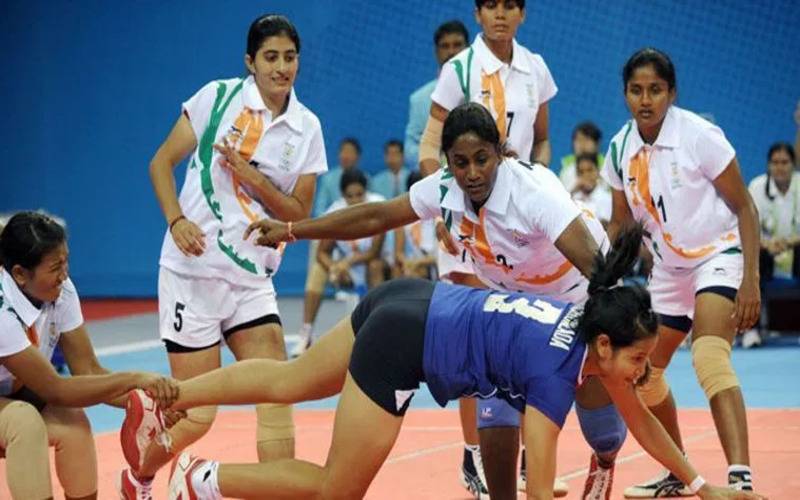
Female kabaddi players face psychological pressures unique to their environment:
- Fear of societal judgment or harassment
- Comparisons to male players or family expectations
- Anxiety about injuries or career sustainability
Mental strength is critical. Players often rely on meditation, support from coaches, and encouragement from teammates to stay focused.
Confidence and resilience become as important as physical fitness.
How Some Women Overcome Challenges
Despite all hurdles, several women have become national and international kabaddi stars:
Tejaswini Bai overcame limited facilities in her village to represent India.
Dhanalakshmi Poojary balanced education, family expectations, and intense training to shine in the World Cup.
These players often credit a mix of personal discipline, smart training, supportive coaches, and unwavering passion for helping them succeed.
Support Systems That Make a Difference
The rise of women’s kabaddi in India is supported by:
- Government initiatives: Scholarships, jobs in railways and defense, and state support programs.
- Professional leagues: Women’s kabaddi leagues are slowly gaining popularity, offering exposure and financial incentives.
- Mentorship: Experienced players mentoring young talent helps boost confidence and skills.
Strong support systems reduce barriers, allowing more girls to dream of a professional kabaddi career.
Lessons for Young Female Players
Young girls aspiring to play kabaddi can learn from the struggles and successes of established players:
- Passion and persistence are essential: Challenges are inevitable, but persistence leads to progress.
- Adaptability matters: Training with limited resources builds creativity and resilience.
- Mental strength is as important as physical strength: Confidence can overcome societal and psychological hurdles.
- Seek support: Mentors, family, and coaches play a crucial role in sustaining a kabaddi career.
Early focus on discipline, balanced training, and mindset can help young female players reach higher levels faster.
Conclusion
The journey of female kabaddi players in India is not easy. Social stigma, limited facilities, financial constraints, health challenges, and mental pressure make their path challenging.
Yet, their determination, resilience, and passion are unmatched.
Women like Tejaswini Bai and Dhanalakshmi Poojary are shining examples of how hard work, mental toughness, and smart training can overcome obstacles.
Their stories inspire thousands of young girls to pick up kabaddi and dream big.
Kabaddi for women in India is still growing, but the courage and commitment of these athletes show that the game’s future is bright, and talent will always find a way to shine.

“Rohit is a seasoned sports journalist with over 5 years of experience specializing in Indian sports. He has built a reputation for his deep-dive analysis of the Pro Kabaddi League (PKL) and domestic Indian Cricket. From tracking player auctions to breaking down match-winning strategies, Rohit provides fans with expert insights grounded in years of on-ground reporting and statistical analysis.