
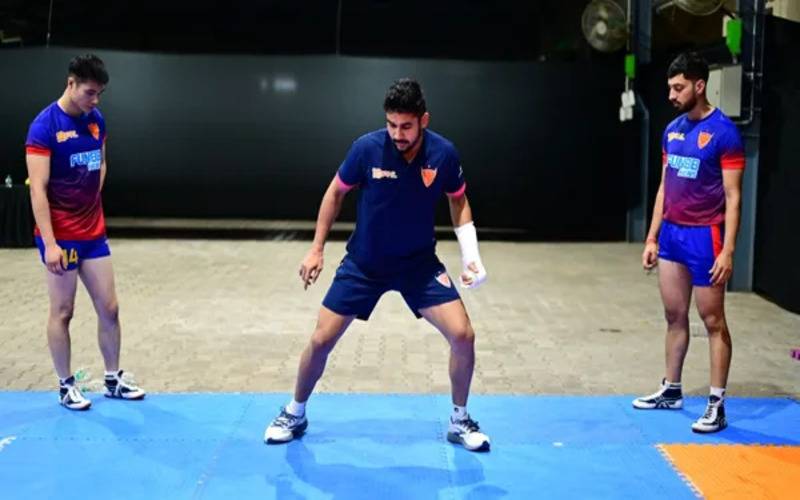
When you watch the Pro Kabaddi League, it looks fast and exciting. But winning a trophy is about much more than just big names or fancy moves. A championship team grows because of good leaders and smart plans. When everything clicks together the team starts looking like a winner.
Teams that understand this stay strong all season. If you love PKL or want to play one day it helps to know what truly makes a team win. Success does not happen by luck. It comes from hard work every single day.
The Captain is the Heart
A captain does more than just lead the toss. You can see their value during the tough moments. Imagine the game is close and the crowd is loud. A great captain stays calm and talks to the players. That calm mood spreads to everyone.
Think about matches where a captain takes a smart review and saves two points. That gives the whole team new energy. A team with the right leader plays with trust. The players start feeling like they are part of one big family.
I have seen teams where the captain talks to a young player after a mistake. Instead of shouting, he puts a hand on the shoulder and says we learn and we move on. That single moment can change a season because the team feels safe.
Thinking Before Acting
Kabaddi today is a game of brains. Strong teams watch videos and study their rivals. They plan for every situation. Players know exactly when to attack and when to stay safe.
You can see this when a team traps a star raider again and again using the same setup. It looks simple but it comes from hours of planning. The best teams think fast and change their plans if the other team surprises them.
PKL,Sometimes coaches ask players to slow the game for one minute. Not because they are scared. They simply want control. That is how winning teams play. They decide the speed of the match instead of letting the other side control it.
Fitness is Everything
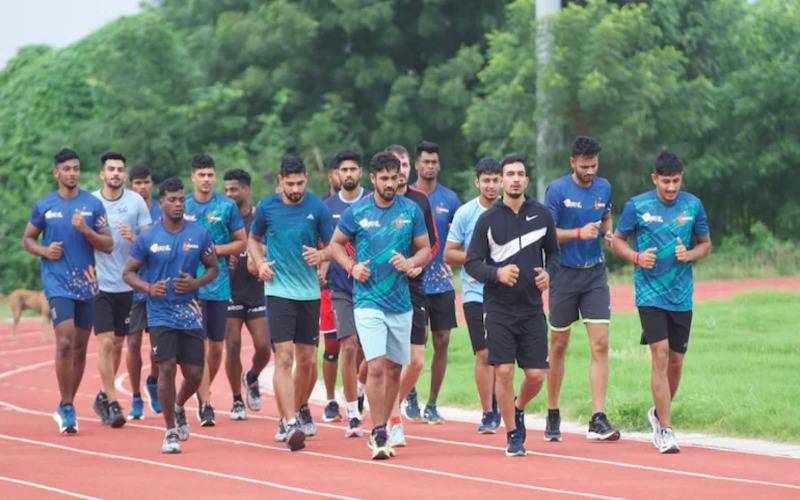
Many matches are lost because players get tired at the end. In PKL fitness is the base of everything. Raiders need stamina and defenders need power.
You might notice a team that is strong in the first half but fades in the last five minutes. That usually happens because of fitness. A fit player thinks faster and makes fewer mistakes. This is why top teams make rest and good food a priority.
I have seen ordinary players turn into stars just by improving their fitness. They start moving lighter on the mat. They recover quicker. They make better choices when others are tired.
Fresh Energy from Young Players
The future of PKL comes from small towns and local grounds. Young players bring a fearless style to the game. Sometimes a new player makes their debut and changes the whole match.
Good scouting is not just about finding players with big muscles. Coaches look for heart and a mind that wants to learn. When a young player knows the team trusts him he plays with a lot of pride.
You will often see a young raider take a bonus in a moment of pressure. Everyone in the stadium is tense but he plays with natural joy. That kind of energy lifts the whole team.
The Power of Trust
One star player cannot win alone. Kabaddi is all about trust. Raiders and defenders must be able to read each other. When the connection is strong the game looks smooth.
Think about those moments where three defenders move together to stop a raider. They did not guess. They understood each other. Teams that talk and train together build this natural bond.
Trust also means owning mistakes. When a defender steps early, the team does not blame. They regroup and say next raid we fix it. That is real teamwork.
Staying Strong in the Mind
The last three minutes decide many games. At that time your mind is more important than your body. Teams that stay calm even after making mistakes always finish better.
You will see matches where a team is down by many points but still comes back to win. That is mental strength. They do not panic. They just reset and keep going.
Coaches teach players to breathe, think, and then move. Simple habits like this help during pressure. That is why confident teams look relaxed even when the score is close.
A Balanced Squad
A strong team needs a mix of steady raiders and tough defenders. If a team relies on only one person, it is easy to stop them. A balanced team is much harder to beat.
You often see these teams score even when their best player is off the mat. Someone else always steps up to fill the gap.
Balance also means having experienced players along with youngsters. The seniors guide. The youngsters bring speed. Together they form a complete team.
Take Care of the Body
Kabaddi is very tough, and injuries will happen. Good teams take recovery seriously. When players feel cared for they come back stronger.
Teams that ignore rest usually lose their best players at the wrong time. Keeping players healthy is the secret to a steady season.
Ice baths, stretching, proper sleep, and simple treatment make a big difference. Many people forget that recovery is also part of training.
The Team Behind the Team
A champion side is more than just the seven players on the mat. There are trainers and managers working quietly in the background. Good support allows players to focus only on the game. When everything around the team runs smoothly the players feel relaxed and confident.
Many fans never see these people. But every coach knows that without them a team cannot last through a long season.
What We Can Learn
PKL teaches us that skill is important but it is not enough. You need fitness and a strong mind too. Anyone dreaming of the league should work on their habits and teamwork.
Winning is never about one hero. It happens when leadership and planning come together. Talent starts the journey. Patience and trust finish it.

“Rohit is a seasoned sports journalist with over 5 years of experience specializing in Indian sports. He has built a reputation for his deep-dive analysis of the Pro Kabaddi League (PKL) and domestic Indian Cricket. From tracking player auctions to breaking down match-winning strategies, Rohit provides fans with expert insights grounded in years of on-ground reporting and statistical analysis.