
Kabaddi is no longer just a traditional sport played in villages. It has transformed into a high-intensity professional game.
Over the years, the fitness levels of kabaddi players have evolved tremendously, thanks to scientific training, better nutrition, and modern coaching techniques.
Today’s players are faster, stronger, and more agile than ever before, making the game more competitive and exciting.
This article explores how kabaddi fitness standards have changed, what factors contributed to this evolution, and how aspiring players can benefit from these modern practices.
Traditional Kabaddi Fitness
In the past, kabaddi players relied mostly on natural physical activities for fitness. Many started playing the game in rural areas, running across fields, lifting heavy objects, or helping with farm work.
Their strength, endurance, and agility came from daily physical labor rather than structured training programs.
- Raiders depended on speed and instinct.
- Defenders relied on raw strength and grip power.
Recovery and injury management were informal, often relying on rest and traditional remedies.
While this produced skilled players, their fitness levels were inconsistent and largely dependent on natural abilities and hard work rather than scientific methods.
Introduction of Professional Training
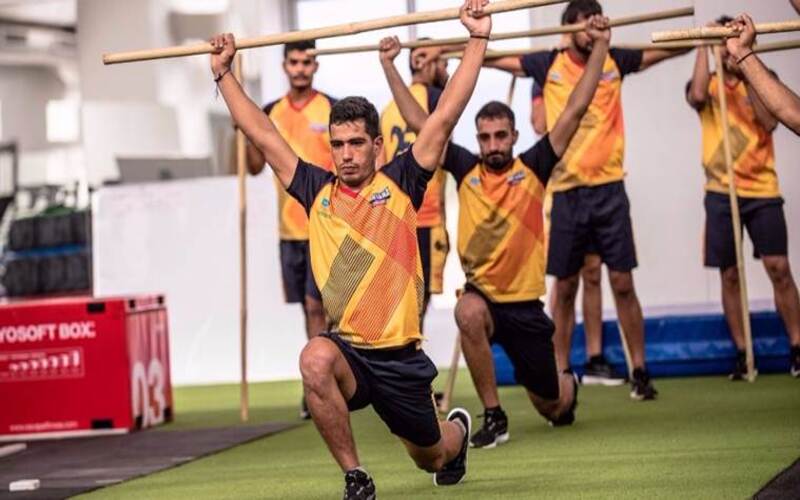
With the rise of the Pro Kabaddi League (PKL) and professional coaching, fitness training became more structured.
Coaches started designing day-to-day fitness routines focusing on strength, endurance, agility, and flexibility.
Strength training: Weightlifting and resistance exercises improved muscle power for both raiders and defenders.
Endurance drills: Long-distance running, sprinting, and interval training enhanced stamina for 40-minute matches.
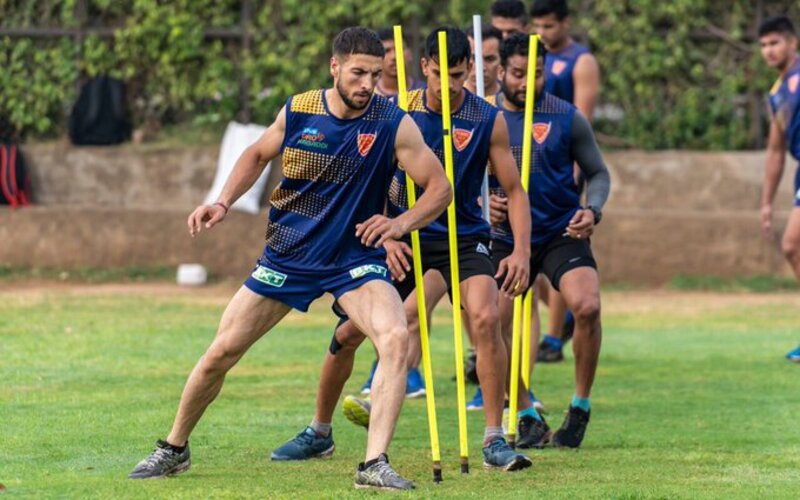
Agility exercises: Ladder drills, cone drills, and plyometric exercises improved footwork and rapid directional changes.
This shift ensured that players were not just naturally skilled but physically prepared to compete at high levels consistently.
Nutrition and Diet
In earlier times, players ate regular home-cooked meals without focusing much on protein, recovery, or hydration. Modern kabaddi players, however, follow structured diets designed to support muscle growth, endurance, and quick recovery.
- High-protein meals with lean meats, legumes, and dairy support muscle repair.
- Carbohydrates from rice, oats, and fruits provide energy for intense training.
- Healthy fats from nuts, seeds, and oils aid overall health and hormone balance.
- Hydration and electrolyte balance are monitored carefully.
Nutrition experts now work alongside coaches to optimize performance, making players faster and more resilient than ever before.
Technology and Fitness Assessment
The introduction of technology has played a key role in raising kabaddi fitness standards. Modern players use fitness trackers, video analysis, and performance metrics to monitor and improve their physical abilities.
- Heart rate monitors track cardiovascular endurance during drills.
- GPS and motion sensors analyze movement patterns to improve agility.
- Video analysis helps assess technique, identify weaknesses, and reduce injury risk.
These advancements have made kabaddi a data-driven sport, allowing players to train smarter rather than just harder.
Position-Specific Fitness Evolution
Fitness evolution in kabaddi also depends on the role of the player:
Raiders: Focus on speed, quick reflexes, and explosive power for sudden raids. Plyometric training and sprint drills dominate their routines.
Defenders: Prioritize grip strength, balance, and anticipation skills. Resistance training and core stability exercises are key.
All-rounders: Combine both raiding and defensive fitness, requiring a mix of strength, agility, and endurance training.
Coaches now tailor programs based on positions, ensuring maximum efficiency and peak performance.
Recovery and Injury Management
Modern kabaddi fitness is not just about training harder. It’s also about smart recovery. In the past, players relied on natural rest or traditional treatments. Today, recovery is a scientific process:
- Physiotherapy and massages help in healing injuries faster.
- Yoga and stretching routines maintain flexibility and prevent muscle tightness.
- Ice baths, compression therapy, and proper sleep accelerate recovery after back-to-back matches.
Efficient recovery ensures players maintain peak fitness throughout the season, reducing performance dips and injuries.
Fitness in International Kabaddi
The global expansion of kabaddi has pushed Indian players to match international standards.
Competitors in countries like Iran, South Korea, and Kenya have brought professional training methods, which forced Indian players to upgrade their fitness levels.
Players now undergo year-round training rather than seasonal preparation.
Strength, endurance, and agility are measured scientifically before international tournaments.
Mental fitness is incorporated alongside physical training, emphasizing focus, strategy, and stress management.
This has made modern kabaddi players athletic powerhouses capable of intense, high-speed matches with minimal fatigue.
Examples of Fitness Transformation in PKL Players
Several PKL stars exemplify the evolution of fitness over the years:
Pardeep Narwal: Known for explosive raids, he combines speed, strength, and recovery techniques.
Manjeet Chhillar: A defender with powerful tackles, agility, and endurance built through structured weight and plyometric training.
Rahul Chaudhari: His fitness combines all-rounder agility, core strength, and strategic stamina for extended match performance.
Their success demonstrates how modern fitness standards and structured training elevate performance beyond natural talent alone.
Lessons for Aspiring Players
For young kabaddi players, understanding the evolution of fitness is essential:
- Structured training is crucial: Focus on strength, endurance, agility, and flexibility.
- Nutrition fuels performance: Balanced diet and hydration improve speed, stamina, and recovery.
- Recovery is part of training: Avoid overtraining by including physiotherapy, sleep, and stretching routines.
- Adapt to role-specific needs: Customize training based on raiding, defending, or all-rounder roles.
- Use modern tools wisely: Fitness trackers, video analysis, and performance metrics optimize training outcomes.
Early adoption of these principles builds long-term athletic resilience and competitive advantage.
Conclusion
Fitness levels in kabaddi have evolved dramatically from natural strength and stamina derived from daily life to professional, scientific training programs.
Modern players are faster, stronger, more agile, and strategically prepared than ever before. Structured routines, nutrition, technology, and recovery techniques have all contributed to this transformation.
For aspiring kabaddi players, embracing modern fitness practices, combined with mental toughness and discipline, is essential to succeed at professional levels.
The evolution of fitness in kabaddi reflects the game’s transition from traditional pastime to high-intensity professional sport, proving that preparation, strategy, and science are as critical as talent.

“Rohit is a seasoned sports journalist with over 5 years of experience specializing in Indian sports. He has built a reputation for his deep-dive analysis of the Pro Kabaddi League (PKL) and domestic Indian Cricket. From tracking player auctions to breaking down match-winning strategies, Rohit provides fans with expert insights grounded in years of on-ground reporting and statistical analysis.