
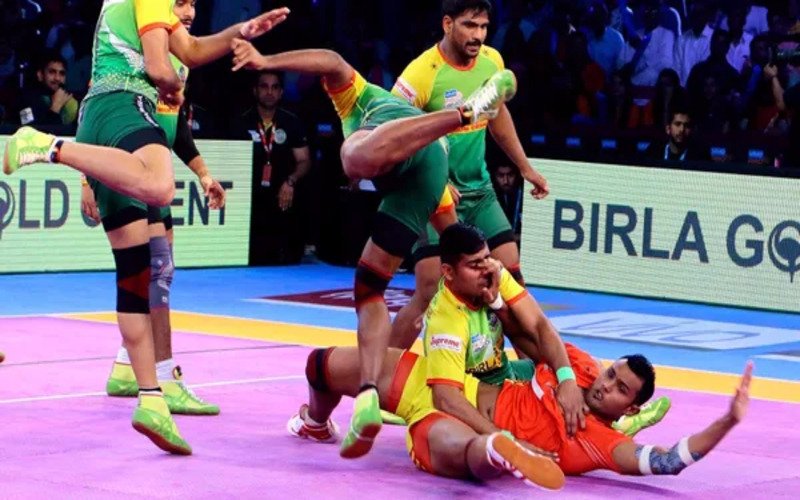
Kabaddi is not just about speed, strength, or smart raids. It is also a game of team management, strategy, and timing.
One aspect that often confuses new players or fans watching the game is substitutions. Substitutions allow teams to replace players during a match, and understanding how they work can change how a team performs.
Even professional players in the Pro Kabaddi League, like Pawan Sehrawat and Naveen Kumar, plan substitutions carefully. They know that bringing the right player at the right time can change the outcome of a match.
Watching the league closely, you notice that substitutions are not random.
Each team has a plan and observes how tired or fresh players are. Teams also consider the strengths of the opponent. Smart substitutions can maintain energy, keep the team balanced, and even confuse opponents.
Why Substitutions Are Important
Substitutions serve several purposes in kabaddi. First, they allow players to rest. Kabaddi is extremely physical, with raiders running hard and defenders staying low and ready to react for long periods.
Fatigue can cause mistakes. A tired raider might miss a tag, or a defender might react slowly and let the raider score. Substituting a fresh player ensures that the team keeps performing at a high level.
Second, substitutions provide a tactical advantage. Coaches can bring in a player with a specific skill at the right moment.
For example, if the opposing team has a strong defender, the coach might send in a raider with faster footwork or better dodging skills. This can create openings in the defense or surprise the opponent.
Third, substitutions help handle injuries. Minor strains or cramps are common in a fast-paced game like kabaddi. Substitutions allow a team to continue without putting players at risk. Even at the professional level, managing player fitness during a match is a key part of strategy.
Poorly planned substitutions can be harmful. Bringing a player in at the wrong time may leave gaps in defense or reduce the team’s rhythm. That is why teams at the PKL level plan substitutions carefully and monitor how each player is performing.
Number of Substitution in Kabaddi
The rules of substitution in kabaddi are simple but strict. Each team can have up to three substitutes.
These substitutes are part of the squad but start the match on the bench. A player can be substituted only once per match. This means coaches have to be careful about when they make a change.
Substitutions can only happen between raids. Players cannot be replaced during an active raid. This ensures fairness and safety. Also, only players who are not already out of the game can be substituted.
In professional matches, referees watch substitutions closely to prevent mistakes or rule violations.
Even if you are just practicing or following the game at home or school, watching how substitutions happen can teach a lot about timing, teamwork, and decision-making.
How Substitutions Work in Practice
Imagine a match scenario. Aarav has just completed three intense raids in a row. His legs are tired, and he risks making mistakes if he continues.
The coach decides to bring in Priya, a fresh raider with quick footwork.
As Aarav leaves the court, Priya steps in after the referee signals the substitution. The match continues without interruption, and the team maintains its momentum.
This simple scenario shows that substitutions are not random. They are planned for the benefit of the team. Timing, communication, and awareness are all important. Watching PKL matches, you can see how teams signal and coordinate substitutions so there is no confusion, and players are ready to perform immediately.
Substitutions for Defensive Players
Substitutions are not just for raiders. Defenders benefit as much from rotation. Defenders often stay on the court for long periods, moving side to side, holding raiders, and staying low.
This is exhausting, and fatigue can affect timing and reactions. Substituting tired defenders with fresh players ensures the defense remains strong and coordinated.
Substitutions can also be used to match strengths. Some defenders excel in certain positions, like left corner or right corner. Coaches may swap players depending on the opponent’s key raiders or the strategy being used. Professional defenders like Rakesh Kumar know the value of resting at the right time and coming back fresh to maintain high performance throughout a match.
Timing Substitutions Strategically
Timing is one of the most important aspects of substitutions. Coaches and players consider several factors.
First, the scoreline. If a team is behind, they may send in their fastest raider to try for bonus points or quick raids. This can shift the momentum of the game.
Second, energy levels. Players showing signs of fatigue are substituted to keep the team moving at a high intensity. Fatigue can cause small mistakes that cost points, so replacing a tired player is often better than risking a failed raid or missed tackle.
Third, the opponent’s strategy. If the opposing team is using a particular formation or focusing on a key raider, substitutions can counteract this strategy. Coaches watch the opposition closely and adjust their substitutions to maintain an advantage.
Professional teams spend hours analyzing gameplay and deciding the best times to rotate players. This shows that kabaddi is not only about strength and speed. It is also about thinking ahead, planning, and using all the rules of the game to your advantage.
Tips for Players

Even if you are playing kabaddi at home or in school, understanding substitutions can improve your gameplay.
First, communication is key. Always tell your teammates when you need to rest or when you are ready to rotate positions.
Second, observe how experienced players manage energy and timing. Even in PKL matches, players pace themselves to stay strong for crucial moments.
Third, practice being on the bench. Substitutes are not inactive. They must stay alert, watch the game, and be ready to step in at the right time. Fourth, plan rotations during practice matches. This helps players learn the rhythm of substitutions and understand how to enter and exit the court without disrupting the team’s flow.
Substitution practice also teaches discipline and awareness. Players learn to wait for the right moment and respect the rules of the game. They also see how rotations keep the team performing at a consistent level throughout the match.
A Fun Example
Imagine Aarav practicing with friends. He has been raiding continuously and is starting to feel tired. His friend Priya is waiting as a substitute. Aarav signals to switch, and Priya takes over immediately. Aarav rests for a while and watches closely, learning new strategies while he recovers.
Even small practice sessions like this teach players about energy management, teamwork, and being ready. Professional players start with such drills and gradually develop the timing and awareness needed for high-level matches.
Common Mistakes to Avoid
Even though substitutions are simple, beginners often make mistakes. Entering the court without referee approval is one.
Substituting during an active raid is another. Rotating players too frequently can disrupt team rhythm.
Not staying focused while on the bench and missing key moments to enter the game is also a common problem. Avoiding these mistakes ensures smooth gameplay and builds discipline similar to professional players.
Substitutions and Team Strategy
Substitutions are more than just swapping players. They are a part of team strategy. Smart substitutions can surprise opponents, balance energy levels, and keep the team consistent.
Teams can change tactics mid-game by rotating players who have specific skills. For example, a raider with strong bonus point abilities may be brought in at the right moment, while a defender who excels at corners can replace a tired player to strengthen defense.
Watching the PKL, it becomes clear that substitutions are one of the most important tools coaches have. They help maintain a high level of play, prevent fatigue-related mistakes, and give players a chance to recover without affecting the team’s performance.
Conclusion
Substitutions in kabaddi are more than just replacing tired players. They are a strategic tool that affects stamina, performance, and the overall flow of the game. Whether it is resting raiders, replacing defenders, or planning tactical moves, substitutions play a key role in winning matches.
Understanding substitutions, practicing rotations, and staying alert even on the bench teaches teamwork, discipline, and awareness. Kabaddi is not only about physical strength and skill. It is also about planning, strategy, and using every opportunity smartly.
Watching the Pro Kabaddi League closely, it is clear that teams who manage their substitutions well often have an edge. Players who rotate at the right time stay fresh, focused, and ready for the crucial moments of the match. Mastering substitutions, along with other skills like footwork, raiding, defense, and bonus points, is part of what makes a great kabaddi player.
Even if you are just a fan, noticing how substitutions happen in matches adds a new level of understanding to the game. You see how energy, strategy, and timing come together to create exciting and fast-paced kabaddi action.

“Rohit is a seasoned sports journalist with over 5 years of experience specializing in Indian sports. He has built a reputation for his deep-dive analysis of the Pro Kabaddi League (PKL) and domestic Indian Cricket. From tracking player auctions to breaking down match-winning strategies, Rohit provides fans with expert insights grounded in years of on-ground reporting and statistical analysis.