
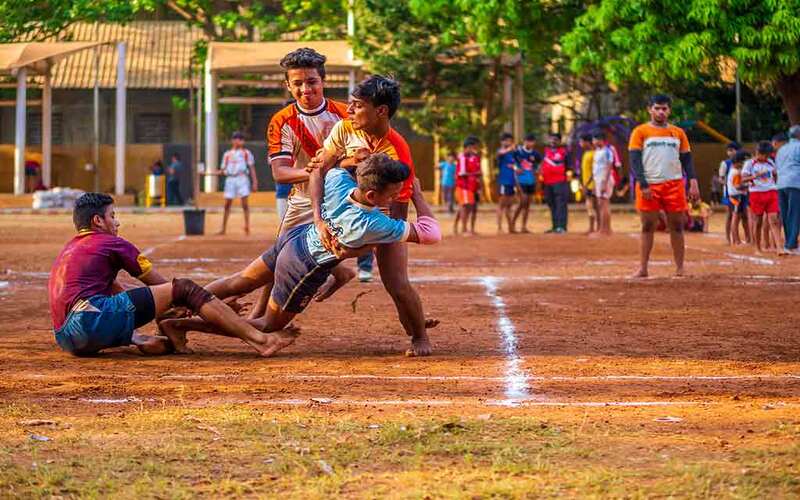
Kabaddi looks fast and exciting. Many people believe it is only for big sports grounds and big teams. But the truth is different. You can start learning at home and still build strong skills.
I have seen many young players begin on small grounds, parking areas, and backyards. With daily effort they slowly turned into solid players. Kabaddi rewards patience and steady work. If you keep showing up, the game will start making sense to you.
Know the basics first
Before you start running and diving, try to understand what is really happening in the game. Kabaddi has two main parts. One is raiding. One is defending. A raider goes into the other side, touches someone, and returns safely. A defender waits, reads the move, and brings the raider down.
Learn simple things first. Stand with your knees a little bent. Keep your body light. Practice chanting kabaddi without stopping your breath. Try to move forward and backward without losing balance.
Many beginners skip basics and rush into advanced moves. Later they struggle. Strong basics make learning easy and safe.
Make a small practice area
Your practice space does not need to be big. A yard, terrace, empty hall, or quiet lane can work. Mark a small square so your eyes and feet learn boundaries. When you see lines, you start to move smarter.
Check the ground every time. Remove stones and sharp objects. Wear simple sports shoes if the floor is hard. If you are on a mat or grass, check for holes.
A small space teaches control. Big grounds can come later.
Build your body step by step
Kabaddi needs a body that is quick and strong. But you should not push too hard on day one. Begin with easy bodyweight drills. Squats, lunges, and simple jumps help your legs. Push-ups and light core work protect your back and shoulders.
Slow jogging, skipping, and short fast sprints help with breath control. Your heart learns to recover after effort. This is what players need in tight matches.
Add simple agility moves. Quick side steps. Fast turns. Short forward bursts. These drills teach your body to react like a real player.
Do a little every day. That is how strength grows.
Learn simple raiding drills
A good raid is not based on luck. It is built from practice. Mark a small area and pretend defenders are waiting. Step in slowly, fake one side, move the other way, touch, and run back.
Work on your breath as you chant kabaddi. Try to move without losing rhythm. Learn to look at your surroundings while moving. A good raider uses eyes as much as legs.
You can also record your movement on your phone. Watch it later. You will see mistakes and learn from them. This is something many coaches do.
Practice safe defending
Defense wins many matches. Even at home you can train for it. Keep your legs wide. Stay low. Move sideways instead of turning your back.
Use a pillow to learn soft tackles. Practice gripping around the waist or legs without pulling too hard. Focus on timing. Jumping too early or too late wastes energy and can hurt you.
Learn to hold position and wait. A smart defender is patient. The raider will panic first.
Train your mind like a player
Kabaddi is also a thinking sport. Close your eyes and imagine different plays. Imagine a fast raider. Imagine a slow raider. Think where you will stand. Think about when you will move.
This mental training helps you stay calm in real matches. Coaches use this method with new players. The mind should be as ready as the body.
You can also watch PKL games and pause the screen. Guess the next move. Then press play. Over time your reading skills get better.
Fun mini games for practice
Training should never feel boring. Add small games to your practice. Touch a spot on the wall and come back before five seconds. Try to do twenty quick side steps without stopping. Create a circle and practice staying inside while moving fast.
These games improve strength, speed, and thinking at the same time. And because they feel fun, you will stick to them.
Track your progress
Keep a simple notebook. Write how many push-ups you did. How many squats? How long could you chant kabaddi? After a month you will see the growth.
Progress builds confidence. It reminds you that hard work is real and it pays off.
Stay safe while training
Always warm up. Move your neck, arms, hips, and legs before drills. Stretch after training. Drink water before and after.
If your body feels sharp pain, stop and rest. Never train tackles on hard floors. Use soft mats or grass areas. A safe player is a long-term player.
This is something every good coach repeats again and again.
What beginners should remember
Do not rush. Learn slowly. Build habits. Work on both body and mind. Kabaddi is not only power. It is timing, reading, and smart choices.
The players who respect basics always last longer in the sport.
Final thought
Starting kabaddi at home is not only possible. It is a great way to begin. With daily drills, safe practice, and the right mindset, you can build skills that will help you on any court in the future.
Every great player once began as a beginner. Your first step starts at home. With patience, effort, and love for the game, kabaddi will slowly become part of you.

“Rohit is a seasoned sports journalist with over 5 years of experience specializing in Indian sports. He has built a reputation for his deep-dive analysis of the Pro Kabaddi League (PKL) and domestic Indian Cricket. From tracking player auctions to breaking down match-winning strategies, Rohit provides fans with expert insights grounded in years of on-ground reporting and statistical analysis.