
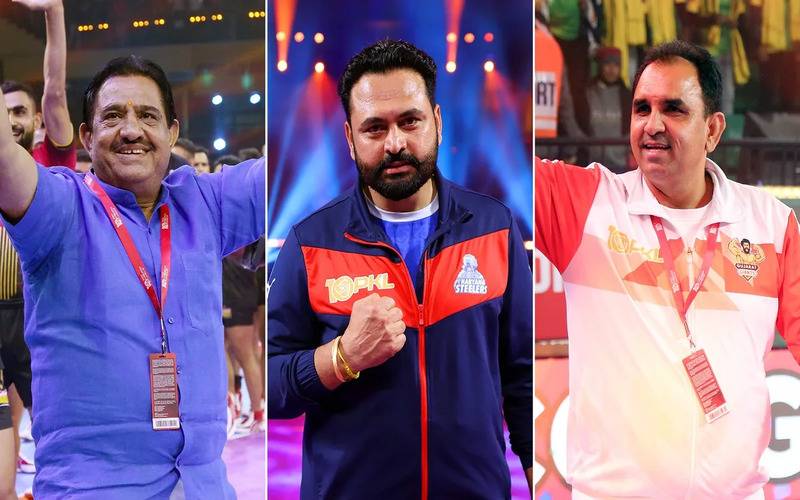
While fans enjoy thrilling raids and tough defenses in the Pro Kabaddi League (PKL), the real battles happen behind the scenes. Coaches, analysts, and support staff spend countless hours planning strategies, studying opponents, and preparing players physically and mentally for every match.
A team’s success does not depend on star raiders or defenders alone. Careful preparation, smart planning, and coaching expertise turn raw talent into winning squads.
Understanding how coaches work shows the science and strategy that makes professional kabaddi exciting and competitive.
Analyzing Opponents and Player Statistics
The first step for coaches is studying the opponents carefully. They watch past matches, check player statistics, and look for team patterns. This helps them identify strengths, weaknesses, and tendencies.
For example, a raider like Pardeep Narwal may score bonus points easily. Coaches analyze how defenders from different teams tackle him to prepare counter-strategies. They also study defender’s habits, like grip style or tackle preferences, so raiders know how to attack.
Coaches use video analysis, match data, and statistics to make smart decisions instead of guessing. This data-driven approach shows the professionalism and planning behind PKL success.
Customized Player Training
Every player has unique strengths and weaknesses, so coaches create personalized training programs. Raiders focus on speed, footwork, and quick reaction, while defenders work on grip strength, ankle flexibility, and positioning.
Coaches train players based on their roles:
- Star raiders: Exploit opponent weaknesses and save energy for key raids.
- Corners and defenders: Practice tactical tackles and quick recovery.
- All-rounders: Switch between offense and defense depending on the team’s needs.
This ensures players are ready for specific situations they might face in matches. Teams like U Mumba invest heavily in role-specific training to maintain top performance.
Team Coordination and Scenario-Based Drills
Kabaddi is a team sport, and coaches emphasize coordination drills. They simulate real-match situations like consecutive raids, last-minute defenses, and bonus point challenges.
Coaches also rotate players in practice to make them adaptable. By doing this, players learn to cover for each other, improve timing, and make better split-second decisions. Teams that practice these scenarios can handle pressure calmly and act smartly during games.
Developing Match-Day Tactics
Coaches design match-day strategies based on opponent analysis. They decide:
Which raiders target specific defenders
How to set defensive formations against strong raiders
Rotation patterns to manage player fatigue
When to play aggressively or defensively
Coaches also adjust tactics in real time. Players need to think fast while following instructions from the coaching team. This combination of preparation and flexibility often separates champions from teams that underperform.
Mental Preparation and Motivation
Mental strength is as important as physical skill. PKL matches are fast and intense. Coaches help players stay calm, confident, and focused under pressure.
Techniques include:
Visualization: Mentally rehearsing successful raids and tackles
Meditation and focus drills: Improving concentration during key moments
Motivational sessions: Boosting confidence, especially for young or less experienced players
Players who are mentally ready to handle pressure better, make fewer mistakes, and execute strategies effectively.
Teams like Bengal Warriors show that strong mental preparation helps younger players perform in high-pressure situations.
Injury Management and Recovery Planning
PKL is physically demanding game, and players can get strains, sprains, and fatigue. Coaches plan rest, monitor recovery, and adjust training loads to prevent injuries.
They work closely with physiotherapists and fitness trainers to ensure players are ready for important matches.
This helps keep star raiders and defenders on the mat, making the team more consistent throughout the season.
Using Technology and Analytics
Modern coaching uses technology to gain an edge. Coaches track:
Player speed, stamina, and reaction time
Success rates of raids and tackles
Positional effectiveness and patterns
Data helps coaches predict opponent behavior, adjust strategies, and improve team efficiency. This makes PKL preparation scientific and precise, not just based on instinct.
Examples of Successful Coaching Impact
Some teams show how coaching shapes winning squads:
Patna Pirates: Coach Rajesh Mondal rotated star raiders and defenders strategically to win multiple championships.
U Mumba: Focused on data-driven tactics, personalized drills, and mental preparation, staying consistent at the top.
Bengal Warriors: Emphasized team coordination and adaptability, helping young players shine under pressure.
These examples prove that good coaching turns talent into victories, showing that off-the-mat preparation is as vital as on-the-mat performance.
Lessons for Aspiring Coaches and Players
Preparation is Key: Study opponents, run drills, and plan every detail.
Individualization Matters: Train players according to their roles and skills.
Mental Strength Equals Physical Strength: Confident, focused players perform better.
Flexibility Wins Games: Change tactics during matches to stay competitive.
Teamwork Over Individual Talent: Coordination amplifies the effectiveness of star players.
Behind-the-scenes coaching is indispensable in professional kabaddi.
Conclusion
While fans enjoy exciting raids and tough tackles, the real magic happens behind the scenes. Coaches analyze opponents, customize training, plan tactics, and prepare players physically and mentally.
Team success does not come from raw talent alone. It comes from preparation, strategy, discipline, and professional coaching.
Aspiring players and coaches can learn that winning in PKL requires teamwork, mental resilience, and smart planning, making behind-the-scenes work just as important as on-field brilliance.

“Rohit is a seasoned sports journalist with over 5 years of experience specializing in Indian sports. He has built a reputation for his deep-dive analysis of the Pro Kabaddi League (PKL) and domestic Indian Cricket. From tracking player auctions to breaking down match-winning strategies, Rohit provides fans with expert insights grounded in years of on-ground reporting and statistical analysis.