
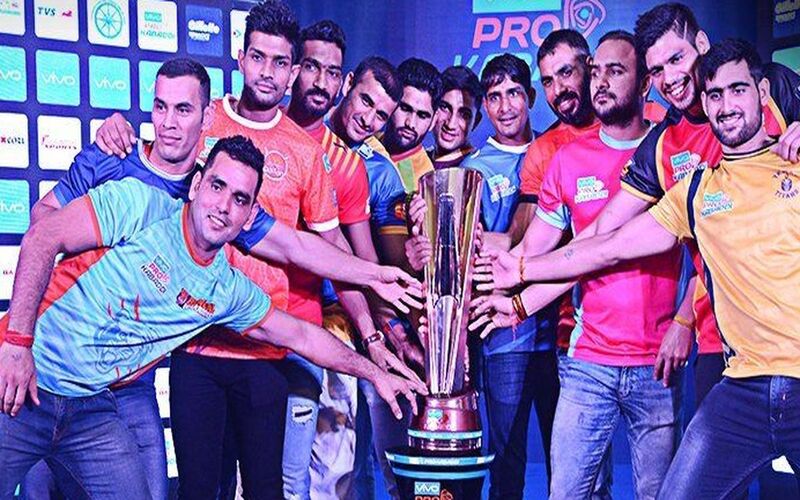
I still remember the first time I watched a Pro Kabaddi League match from close range. The crowd was loud, the mat was shining under bright lights, and players from simple villages stood there like heroes. In that moment, I realized something important. PKL had not just changed the game. It had changed the lives of the people who played it.
Before PKL, kabaddi mostly belonged to open fields, dusty grounds, and small school events. Many players I spoke with told me they played after work or late in the evening. They loved the game, but they did not see a future in it. There was passion, but there was also struggle.
Then the league arrived. Everything began to shift. What once looked like a village pastime suddenly became a career. I saw boys who once traveled on bicycles for practice now traveling with professional teams, wearing jerseys, and signing autographs. It felt like watching their dreams walk into the real world.
Money and security finally arrived
Whenever I talk to players, one thing comes up again and again. PKL gave them stability. Earlier, some worked on farms, some taught kids in schools, and some did small jobs to survive. Now, they receive contracts, bonuses, and sponsorships.
A player once told me, very quietly, that for the first time his parents stopped worrying about daily expenses. He smiled when he said it. That smile said everything.
Money did not make them lazy. It helped them focus. They trained harder because now their future depended on their effort, not on luck.
From unknown players to real role models
When I travel to villages, I often hear the same names. Kids talk about them with excitement. They follow their matches, copy their moves, and proudly say, he is from a place just like ours.
PKL turned regular boys into inspiration for entire regions. And when players return home, people welcome them not as celebrities from far away, but as family members who made the village proud.
That kind of recognition changes the way a community thinks about sports.
Real training, real coaching, real learning
I have stood beside PKL practice sessions. The difference is huge. There are fitness coaches, recovery plans, diet charts, and video sessions where coaches break down every mistake and every smart move.
Players tell me how this training changed their thinking. They do not just rush into a raid anymore. They plan, they read the opponent, they control the moment. That is what professional sport looks like.
Growth beyond the mat
One thing I admire most is how PKL shapes players as people. Many of them learn to speak in interviews, handle pressure, support teammates, and guide youngsters.
Some are already planning to open academies after retirement. They talk about giving young kids better facilities than what they had. That thought alone shows how far they have grown.
A new wave of young dreamers
Whenever a child sees someone from their own background succeed, something powerful happens. Hope begins.
In Haryana, Punjab, Karnataka, and many other states, I see new grounds, new academies, and new tournaments. Parents who once said, focus only on studies, now say, if you love kabaddi, play seriously.
PKL did not create only champions. It created belief.
Entire communities change
I have attended welcome events in villages. People gather, drums play, elders bless the players, and children gather around them with wide eyes. A single successful player lifts many lives.
Schools get recognition. Local clubs get support. Young people stay active instead of drifting away. Slowly, the idea grows that sports can also build a secure future.
The tough side that we rarely see
Of course, everything is not easy. Players move from quiet villages to busy cities. They adjust to strict routines, constant cameras, and high expectations. Some told me they felt lost at first.
But teams now help them through mentorship and counseling. Coaches talk about mental strength, routine, and staying grounded. Slowly, they learn to balance fame with discipline.
Real stories that stayed with me
When Naveen Kumar talked about buying comfort for his parents, his voice softened.
When Sachin Tanwar spoke about training younger kids, his eyes lit up.
When Rohit Kumar shared how kids now come to him for advice, he sounded proud but also responsible.
These are not movie stories. These are quiet, real moments that show how PKL changed lives from the inside.
What young players can learn
Stay consistent. Success comes to those who show up daily.
Stay curious. Learn from coaches and mistakes.
Stay flexible. New environments demand new habits.
Stay strong. Pressure is part of growth.
Stay kind. Your journey can inspire someone else.
Final thought
When I look at PKL today, I do not just see matches. I see families who sleep peacefully, communities that feel proud, and players who once played barefoot on village grounds now standing under bright lights with confidence.
PKL is not only a sports league. It is a turning point in many lives. And every season, new stories are being written.
Stories of courage.
Stories of opportunity.
Stories that began in small villages and reached the national stage.

“Rohit is a seasoned sports journalist with over 5 years of experience specializing in Indian sports. He has built a reputation for his deep-dive analysis of the Pro Kabaddi League (PKL) and domestic Indian Cricket. From tracking player auctions to breaking down match-winning strategies, Rohit provides fans with expert insights grounded in years of on-ground reporting and statistical analysis.