
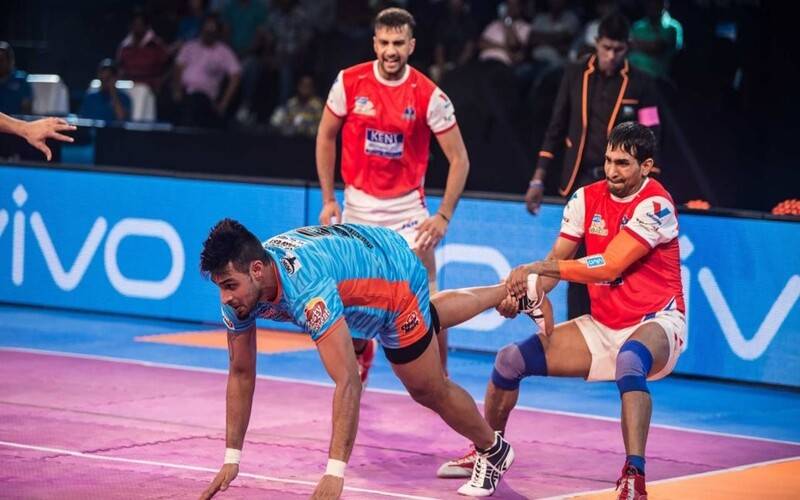
In kabaddi, every player has a role, but some positions carry more responsibility and impact than others.
One such position is the left-corner defender. Observers, coaches, and even other players often describe left-corner defenders as the most dangerous players on the mat.
But why is this role so feared, and what makes these defenders crucial in every match?
This article explores the responsibilities, techniques, and mindset of left-corner defenders, along with insights from top players and coaches who have seen their game-changing power firsthand.
The Unique Role of a Left-Corner Defender
In kabaddi, the left-corner defender is positioned at the extreme left of the defensive line.
Unlike right-corner defenders, who often rely on tackles from a safer angle, left-corner defenders are constantly under pressure.
They face fast raiders attacking from various directions and must react instantly to sudden moves.
What makes the left-corner position special is the combination of anticipation, agility, and grip strength required to succeed.
A single mistake can allow a raider to escape, while a well-timed tackle can completely change the momentum of a match.
Coaches often emphasize that left-corner defenders are like the anchors of the defense, holding the team together under pressure.
Physical and Mental Demands
Left-corner defenders are expected to be explosive, flexible, and incredibly strong. Their training goes beyond general fitness; it includes:
- Grip exercises to hold raiders firmly.
- Agility drills for sudden lateral movements.
- Lower-body strength to squat and spring during tackles.
But physical ability is only one part of the equation. Mental sharpness is equally critical.
Left-corner defenders need to read intentions of raiders in a split second, predicting feints and jumps while maintaining balance and control.
Many experts argue that mental toughness separates the ordinary left-corner defender from the elite.
Top defenders spend hours studying opponents, analyzing raiding patterns, and practicing split-second decision-making.
This combination of mental and physical skill is what makes them deadly.
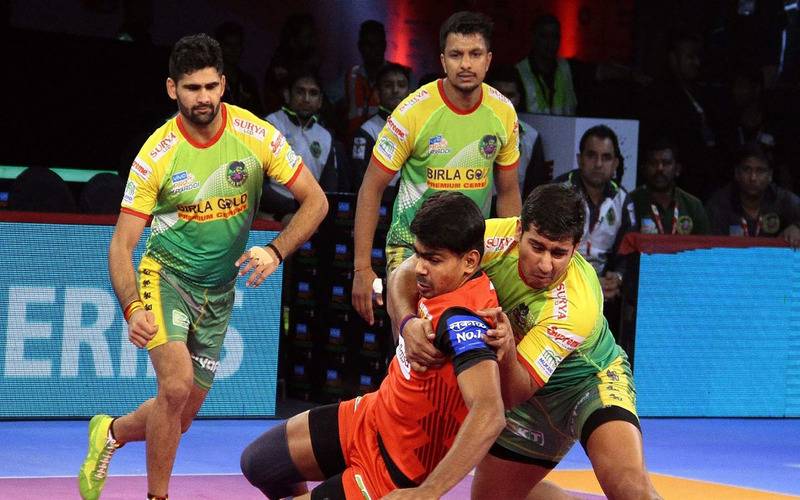
Why They Are Dangerous for Raiders
There are several reasons why raiders fear left-corner defenders more than other positions:
Position Advantage: Being at the extreme end of the mat gives them a unique angle to trap raiders. They can stop raids with minimal movement but maximum impact.
Grip Mastery: Left-corner defenders have some of the strongest grips on the mat. Even fast raiders can struggle to escape once they are caught.
Chain Tackle Expertise: They often lead chain tackles where multiple defenders coordinate to trap a raider. Their position is crucial in initiating or locking such tackles.
Psychological Edge: Raiders know that missing a left-corner tackle can cost the team valuable points, which increases pressure. This psychological factor often forces raiders into mistakes.
Legends of the Left-Corner Position
Several players have redefined the left-corner role in recent years. For example, Manjeet Chhillar is renowned for his precision tackles and incredible anticipation.
Even when facing top raiders, his ability to read the game allows him to control raids almost single-handedly.
Another example is Sandeep Narwal, who combines aggressive tackles with smart positioning.
These players show that left-corner defenders are not just physically strong. They are strategic thinkers who can change the course of a match.
Training That Builds a Left-Corner Defender
Building an elite left-corner defender is not easy. Training routines focus on explosiveness, grip, reflexes, and mental readiness. Some common exercises include:
- Squat jumps and lunges to strengthen legs.
- Resistance band exercises to improve lateral movement.
- Finger and wrist exercises to improve grip during tackles.
In addition, elite players often simulate raid scenarios repeatedly to practice split-second decision-making.
Coaches emphasize that the combination of tactical knowledge, physical conditioning, and mental sharpness is what makes left-corner defenders lethal.
Injury Prevention and Longevity
Left-corner defenders face a high risk of injuries due to sudden dives, tackles, and falls.
Proper taping of fingers and ankles, physiotherapy, and controlled strength training are essential to avoid long-term damage.
Many defenders maintain a strict diet and recovery schedule to ensure their bodies can handle the repeated strain of intense matches.
These measures are what allow top players to perform consistently over multiple seasons, making them not just dangerous, but reliable game-changers.
Lessons for Young Players
For aspiring kabaddi players, learning from left-corner defenders can be transformative:
- Anticipation beats strength: Understanding the raider’s move is more important than raw power.
- Grip and balance are key: Even the fastest raider can be stopped with perfect technique.
- Mental focus is essential: Staying calm under pressure allows quick decisions and avoids costly mistakes.
- Consistency matters: Elite defenders maintain daily routines for strength, flexibility, and reflexes.
Starting young, practicing situational drills, and observing professional left-corner defenders can help novices develop skills faster and become more confident on the mat.
Conclusion
Left-corner defenders are often the unsung heroes of kabaddi. Their combination of anticipation, grip strength, agility, and mental sharpness makes them arguably the most dangerous players on the mat.
Legends like Manjeet Chhillar and Sandeep Narwal demonstrate how this position can dominate raiders and dictate match outcomes.
For young players, understanding the role of left-corner defenders offers valuable lessons. It is not just about strength but intelligence, preparation, and discipline.
In kabaddi, the left-corner defender proves that one well-timed tackle can change the entire game.

“Rohit is a seasoned sports journalist with over 5 years of experience specializing in Indian sports. He has built a reputation for his deep-dive analysis of the Pro Kabaddi League (PKL) and domestic Indian Cricket. From tracking player auctions to breaking down match-winning strategies, Rohit provides fans with expert insights grounded in years of on-ground reporting and statistical analysis.