
Kabaddi is one of the most loved sports in India. It is fast, fun, and full of smart moves and teamwork. At first, it can look confusing, especially for kids who are new to the game. But once you understand the main rules, kabaddi becomes easy to learn and very exciting to play.
I know how it feels to start playing. I have played kabaddi myself and I watch the Pro Kabaddi League closely. I have also helped young players who later reached big tournaments.
Almost all of them started by learning the same simple rules that you are about to read. They improved slowly with practice, guidance, and focus. That is why I always say that learning the basics is the first step toward becoming a strong player.
In this guide, I will explain kabaddi in a simple, story-like way. Think of me as someone standing beside you on the mat, pointing things out, and helping you understand the game step by step.
Once you know the gameplay, scoring, and safety rules, you can start playing at home, in school, or with friends in a playground.
The Heart of the Game
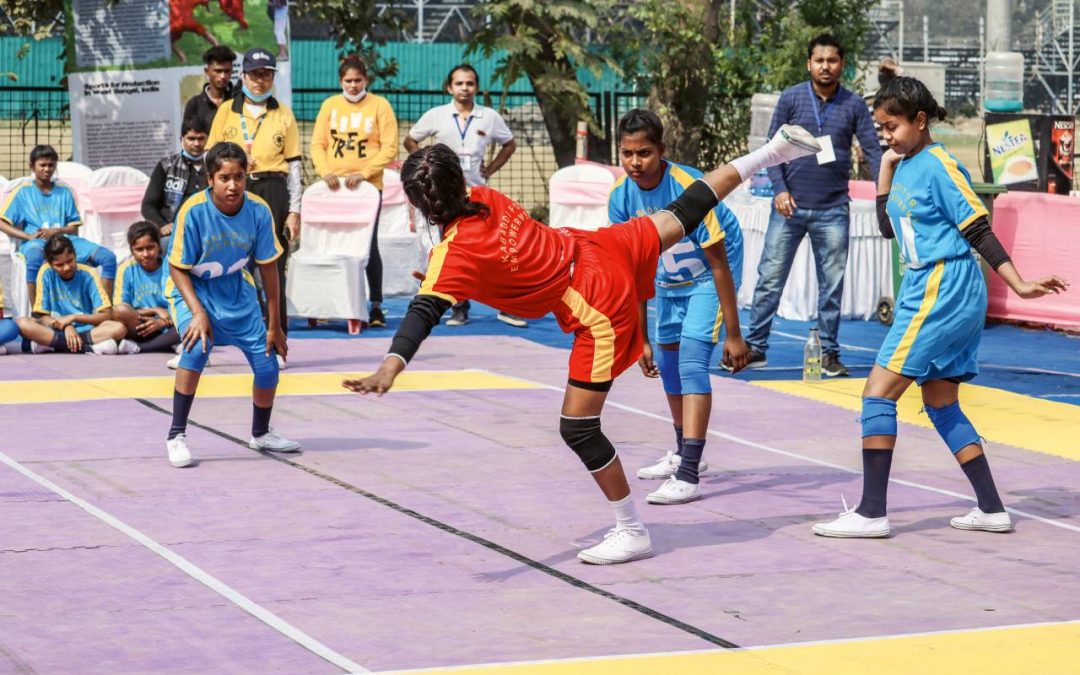
Kabaddi is played between two teams, each usually with seven players on the court. The game revolves around two main actions: raiding and defending.
A raider crosses into the other team’s half. The raider’s goal is to touch defenders and return safely. Defenders try to stop the raider from coming back by grabbing and holding them until the referee stops the action.
The team that scores more points by the end wins. Simple, right? But to win, you need smart thinking, fast movement, and teamwork.
Imagine a small match. Aarav goes for a raid. He looks calm but is thinking carefully. He notices where the defenders are standing, who is strong, and who is a little slow. On the other side, Priya and Sameer watch his every step. They wait for the right moment to stop him.
This back-and-forth is what makes kabaddi exciting. The game is not only about strength but also about timing, reading the situation, and staying patient. Kids soon learn that every second matters.
What Really Happens During a Raid
A raid starts when the raider crosses into the opponent’s half. While raiding, the player must chant “kabaddi, kabaddi” without stopping. This shows that they are holding their breath. If the chant stops, the raid ends and the defending team gets a point.
This rule teaches control. Young players should practice chanting while moving, starting in a safe area. Walk, chant, breathe, repeat. Even professional players like Naveen Kumar and Pawan Sehrawat trained with simple drills like this when they were kids.
Height Kum, Fight Jyaada! The kids from Haryana will showcase their skills on the kabaddi mat! Watch #KBDJuniors at 7:30 PM, on Star Sports. pic.twitter.com/06imTnoB8c
— ProKabaddi (@ProKabaddi) September 11, 2017
During a raid, the raider’s goal is to touch defenders and return safely. Each touch gives one point. If defenders catch the raider, the defending team gets the point instead.
Sometimes, there is a bonus line near the opponent’s side. Crossing it safely gives an extra point. But going for a bonus can be risky because defenders can trap the raider quickly.
A smart raider does not rush. They study the court, wait for the right chance, and attack at the perfect moment. Kids learn from raids that patience and smart thinking are just as important as speed and strength.
Defending in Kabaddi
Many kids think raiding is the most important part. But strong teams are built on strong defense.
Defenders must stay low, watch the raider, and move together. Imagine Priya again. Her knees are bent, her eyes are on Aarav. She stays calm and waits. When he moves closer, she signals her teammates. Together, they trap him.
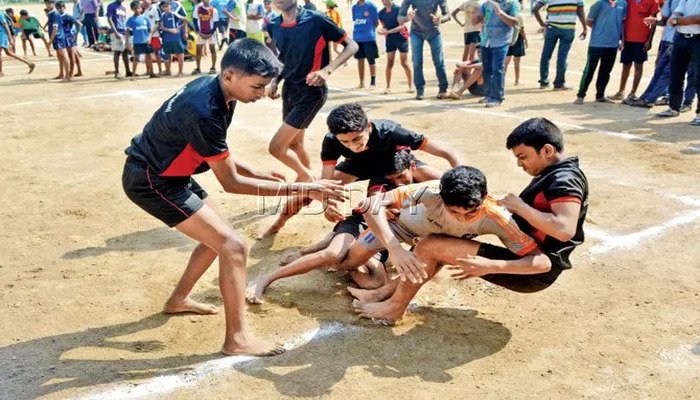
Defense is not about hitting or being rough. It is about teamwork and trust. Young players can practice simple drills: moving side to side, holding safely, and working together to block space.
Professional defenders like Rakesh Kumar became great because they practiced the basics every single day. They stayed disciplined and patient. Kids who learn defense early understand that kabaddi is a team game, not a solo effort.
Understanding How Points Work
Scoring in kabaddi is simple.
- When a raider touches a defender and returns safely, the raider team gets a point.
- When defenders catch the raider, the defending team gets a point.
- There are also bonus points, all-outs, and player revival rules that are introduced as players get better.
The key lesson is this: kabaddi is not only about running fast. It is about choosing the right move at the right time. Even in the Pro Kabaddi League, matches are often decided because a player made a safe choice instead of rushing for a risky point.
Breath and Fitness
Breath control is unique in kabaddi. The chant “kabaddi, kabaddi” is not just for fun. It teaches discipline in breathing.
Young players can do simple breathing drills. Hold your breath for a few steps, then relax. Repeat carefully. Never push yourself too hard.
Fitness is also important. Simple exercises like jogging, skipping, squats, and small jumps help a lot. Players like Naveen Kumar started with bodyweight exercises before ever using big gym equipment. Daily practice builds stamina and strength and reduces the risk of injuries.
The Mental Side of Kabaddi
Kabaddi is a thinking game too. Players must anticipate moves, read the opponent, and stay calm under pressure.
A simple exercise is visualization. Imagine a raid in your mind. Picture stepping forward, turning quickly, dodging, and escaping a tackle. Practicing this makes real matches easier because your brain already knows the moves.
Over time, kids learn to stay calm when things go wrong. This mental skill helps in sports and in life.
Playing Safely at Home or School
Safety must come first. A small clean area is enough. The surface should be soft. Beginners should avoid heavy tackles and focus on short games with breaks.
Warm up before playing and stretch afterward. Parents and teachers can supervise, not to stop the fun but to guide and protect. Feeling safe allows kids to enjoy the game more and learn faster.
Story of Learning Step by Step
Back to our story. Aarav sets up a small court at home with chalk. Priya joins him. They practice raids, short sprints, and safe tackles. After a few weeks, both feel faster, smoother, and more confident.
This is how many big players started. Quiet practice, small games, and regular effort. Every great player once stood where you are standing now.
Why Kabaddi is Great for Kids
Kabaddi helps kids in many ways:
- Builds fitness, strength, and balance
- Improves coordination and teamwork
- Trains the mind to stay calm and focused
- Boosts confidence through small wins
- Teaches discipline, which is essential for growing as a player
- Even a few minutes of practice every day makes a difference.
Learning Advanced Rules Gradually
As kids get confident, they can explore advanced rules: super tackles, player revival, rotation of raiders, and captain roles. Coaches usually teach these step by step, so learning is not confusing. Safety first, then basic skills, then deeper strategies.
This is how players grow naturally without getting overwhelmed.
Conclusion
Kabaddi is thrilling, fast, and full of learning. Kids can start playing at home, school, or playgrounds. Once they understand raiding, defending, scoring, breathing, and safety, they have a strong foundation.
Many players I know started exactly like this — small drills, simple rules, regular practice. Later, they joined bigger teams and tournaments.
Kabaddi is more than a game. It builds fitness, courage, focus, and respect. Every raid and every tackle teaches something new. With patience and consistent practice, kids can enjoy every match and gradually become better. And who knows? Maybe one day they may play on a big stage too.

“Rohit is a seasoned sports journalist with over 5 years of experience specializing in Indian sports. He has built a reputation for his deep-dive analysis of the Pro Kabaddi League (PKL) and domestic Indian Cricket. From tracking player auctions to breaking down match-winning strategies, Rohit provides fans with expert insights grounded in years of on-ground reporting and statistical analysis.