

In the Pro Kabaddi League, strong players matter, fitness matters, and training also matters. But one thing often separates winners from the rest. That thing is leadership.
A good captain does more than call players for raids or tell defenders where to stand. A real captain guides the team, keeps everyone calm, and helps the team think clearly during pressure moments.
Over the years, we have seen different captain styles in PKL, and some of them work better than others.
When we understand these captain styles, we also understand why some teams stay strong again and again. Young players learn from it. Coaches use these ideas to plan. Fans also start to see the real importance of leadership in kabaddi.
I have followed PKL seasons for years, and one truth always repeats itself. Teams with smarter captains usually last longer and win more.
Let us look at the captaincy styles that make the biggest difference.
The Tactical Leader
A tactical captain thinks like a coach on the mat. He studies the game before it starts. He watches videos, notices patterns, and looks for small mistakes in the opponent team.
During matches, this captain adjusts the plan quickly. He tells the raider where to go. He asks defenders to change position if needed. He does not rush. He thinks first, then acts.
In earlier seasons, players like Pardeep Narwal showed this mindset. He guided his teammates and created space for other raiders. When a captain thinks this way, he reduces silly mistakes and keeps the match under control. The team feels safe because every move has a reason.
A tactical leader builds a team that plays with discipline. The players trust the plan, and they trust the captain.
The Motivational Captain
Kabaddi is not only about strength. It also tests the mind. Players make mistakes. They feel nervous. They feel tired. In those moments, a motivational captain becomes very important.
This captain talks to players after every move. He claps, smiles, and supports the team when things go wrong. He reminds them that the game is not over. His words give energy.
We saw leaders like Maninder Singh and Rakesh Kumar doing this often. When the team looked down, they lifted the mood. Young players felt brave because the captain stood with them.
A motivational captain helps the team recover fast after a bad raid or tackle. Instead of fear, the team feels hope. That feeling often changes the result of the match.
The Lead by Example Captain
Some captains do not talk much. They show their leadership through action.
They train harder than others. They stay calm when pressure grows. They take responsibility during tough raids and big tackles. When teammates watch them, they feel inspired.
Ajay Thakur was one such captain. He played smart raids and stayed cool. The team followed his behavior. They stayed disciplined because their captain showed them how to behave.
When a captain leads like this, players learn without long speeches. They copy his work ethic and play with more focus.
The Adaptive Captain
Kabaddi matches change every second. A team can start strong and suddenly struggle. Here, an adaptive captain becomes valuable.
This captain watches everything. If one raider struggles, he quickly changes the plan. If the opponent uses a new trick, he reacts fast. He does not stick to one idea. He stays flexible.
Young leader Naveen Kumar showed signs of this style. He read the match, and he changed his approach based on what was happening on the mat.
An adaptive captain makes sure the team never becomes predictable. Opponents cannot guess the plan easily. This keeps the team dangerous until the last whistle.
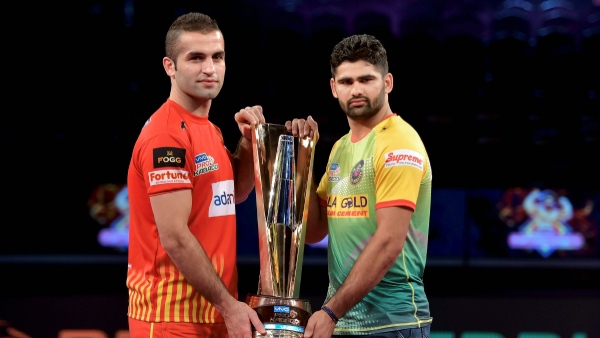
Blending Different Leadership Styles
The best PKL captains do not use only one style. They mix them.
- They think smart like tactical captains.
- They lift the team spirit like motivational leaders.
- They set examples with their own game
- They adjust plans when needed.
Teams like Patna Pirates and U Mumba performed well because their captains brought balance. They guided young players and handled senior stars at the same time. They built trust, respect, and teamwork inside the squad.
This type of leader shapes the culture of the team. Players feel responsible. They support each other. They know what to do, even under pressure.
Why Communication Matters So Much
A captain must talk clearly. If players do not understand their roles, the team suffers.
Good captains use simple words. They give quick instructions during raids and defensive setups. They also talk in the dressing room. They ask players to share problems. They solve conflicts before they grow bigger.
Clear communication prevents confusion. It reduces silly errors. In close matches, that difference often decides who wins.
How Captains Help Young Players
Every season, new players enter PKL. They have talent, but they also feel nervous. A good captain supports them.
He explains the game plan slowly. He stands beside them during pressure moves. He corrects mistakes without shouting. Over time, the young player becomes confident.
Leaders like Rakesh Kumar showed this care. They helped youngsters understand match situations and play smarter. These players later became stronger, and some even turned into future leaders.
This is how great teams stay strong year after year.
Lessons for Future Captains
If you dream of becoming a PKL captain one day, remember these simple ideas.
- Study your opponents and think before you act.
- Always motivate your team and protect their confidence.
- Work hard yourself so others feel inspired.
- Stay flexible and change the plan when situations change.
- Talk clearly so everyone knows their job.
These habits build respect. When your team trusts you, they play better automatically.
Final Thoughts
Success in PKL does not come from one superstar. It comes from smart leadership on the mat and inside the team environment.
Captains who think clearly, inspire players, show good example, and stay flexible usually lead their teams to bigger results. They make the team strong not only for one season, but for many seasons ahead.
In simple words, the captain becomes the heart of the team. Every raid, every tackle, and every brave moment connects back to his guidance. This is why leadership and talent together create true champions in the Pro Kabaddi League.

“Rohit is a seasoned sports journalist with over 5 years of experience specializing in Indian sports. He has built a reputation for his deep-dive analysis of the Pro Kabaddi League (PKL) and domestic Indian Cricket. From tracking player auctions to breaking down match-winning strategies, Rohit provides fans with expert insights grounded in years of on-ground reporting and statistical analysis.