
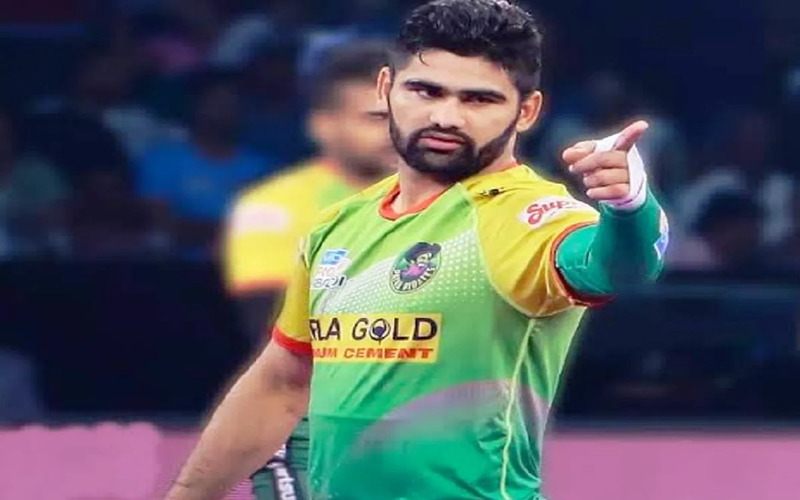
Kabaddi is a dynamic sport, and success often requires more than raw strength. Over time, some of the sport’s greatest players have adapted and transformed their playstyle to remain competitive.
Changing playstyle isn’t just about learning new skills. It’s about understanding your body, analyzing opponents, and thinking strategically.
This article explores famous kabaddi players who evolved their game, why they did it, and what aspiring players can learn from their journeys.
1. Pardeep Narwal: From Quick Raids to Strategic Domination
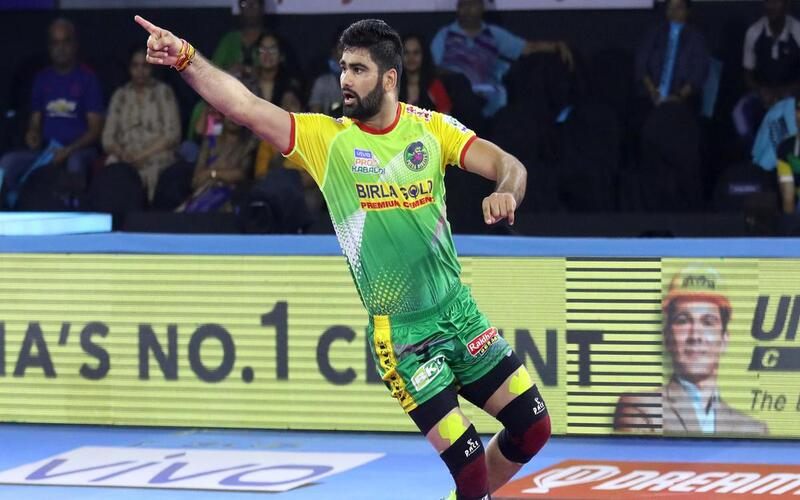
Pardeep Narwal, often called the “Dubki King,” started his career relying heavily on speed and agility. In the early seasons of the PKL, he focused on quick raids to accumulate points rapidly.
However, as opponents learned to anticipate his moves, Pardeep adapted.
He introduced more strategic raids, feints, and sudden changes in direction, making it harder for defenders to predict him. He also worked on timing his signature “dubki” raids more precisely, turning them into high-scoring, match-winning maneuvers.
His evolution shows that even a naturally talented raider must continuously analyze opponents and tweak their game to stay on top.
2. Ajay Thakur: From Aggressive Raider to Tactical Leader
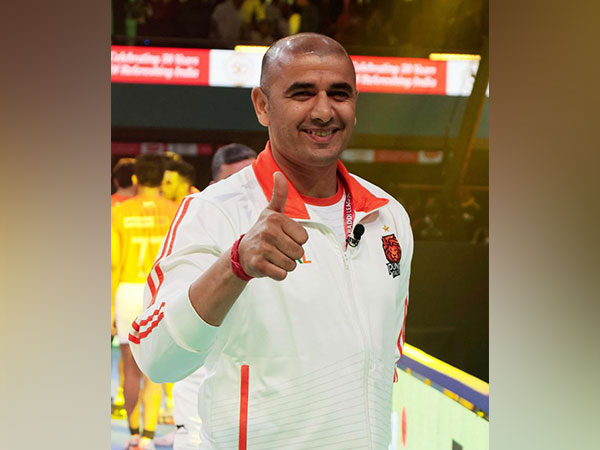
Ajay Thakur was once known for aggressive, high-risk raids that thrilled fans but sometimes cost his team points.
Over time, he refined his style to focus on tactical raiding and reading defenders.
He began using controlled aggression, combining quick movements with precise decision-making.
By adapting his style, Ajay became a reliable point scorer and team leader, capable of guiding younger players while maintaining his performance.
His transformation teaches young players that experience, self-analysis, and patience are crucial for long-term success.
3. Manjeet Chhillar: From Raw Power to Smart Defense
Manjeet Chhillar, a legendary defender, relied heavily on physical strength and aggressive tackles early in his career.
While this approach brought success, he realized that pure strength alone was not enough against agile raiders.
He adapted by improving his footwork, anticipation, and positioning, making him a more versatile and intelligent defender.
By combining strength with strategy, Manjeet could read raiders’ intentions and execute timely tackles, earning his reputation as one of the most dangerous defenders in kabaddi history.
4. Rakesh Kumar: From Raider to All-Rounder
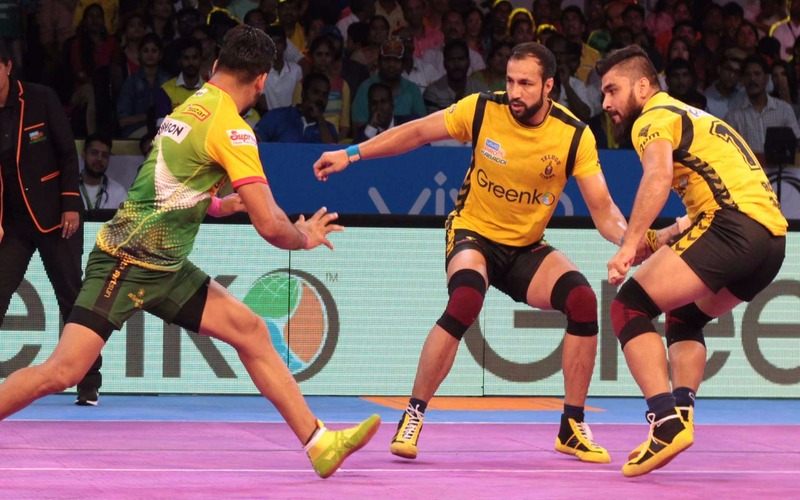
Rakesh Kumar started primarily as a raider, focusing on speed and scoring quick points.
However, as his career progressed, he trained to become an all-rounder, contributing both in raids and defense.
This change extended his career and allowed him to adapt to different team strategies.
By diversifying his skillset, Rakesh became indispensable, showing how flexibility and learning new skills can keep players relevant and successful over time.
Why Players Change Their Playstyle
Several factors push kabaddi players to change their playstyle:
- Aging and physical changes: Speed and agility may decline over time, requiring smarter play rather than relying solely on raw physical ability.
- Opponent strategies: As teams analyze players’ techniques, adaptation becomes necessary to stay unpredictable.
- Team requirements: Coaches often encourage players to adopt new roles based on team strategy.
- Injury recovery: Players may adjust their style to reduce stress on injured areas while maintaining effectiveness.
Adapting is not a sign of weakness; it’s a mark of intelligence and professionalism in kabaddi.
Mental and Tactical Training Behind the Change
Changing playstyle requires more than physical training. Mental preparation is crucial:
- Video analysis: Top players watch recordings of matches to identify patterns in opponents’ behavior.
- Simulation drills: Players practice new moves repeatedly until they become instinctive.
- Strategic discussions: Coaches and teammates help players understand when and how to implement new techniques.
For example, Pardeep Narwal often studies opposing defender’s reactions to his dubki raids and adjusts angles or timing in practice sessions.
This combination of mental and physical preparation allows players to seamlessly evolve their game.
Lessons for Young Players
Young kabaddi players can learn valuable lessons from these transformations:
- Never stop learning: Even top players continue refining their skills.
- Adaptability is key: The game evolves, and so must your strategies.
- Balance physical and mental training: Intelligence on the mat can compensate for physical limitations.
- Analyze your performance: Regular self-evaluation helps identify areas for improvement.
- Embrace change: Adjusting your style can extend your career and open new opportunities.
By studying the evolution of these legends, young players can prepare for long-term success rather than relying solely on natural talent.
Conclusion
Kabaddi is not just a game of strength and speed, it’s a game of adaptation, strategy, and intelligence.
Legends like Pardeep Narwal, Ajay Thakur, Manjeet Chhillar, and Rakesh Kumar show that evolving your playstyle is crucial for staying competitive.
Changing your style doesn’t mean abandoning your natural strengths. It means combining experience, observation, and training to maximize impact.
For young players, these stories are proof that flexibility, discipline, and smart adaptation are as important as raw skill for achieving success on the kabaddi mat.
Kabaddi rewards those who are willing to learn, adjust, and grow. Players who embrace evolution often leave the most lasting legacy in the sport.

“Rohit is a seasoned sports journalist with over 5 years of experience specializing in Indian sports. He has built a reputation for his deep-dive analysis of the Pro Kabaddi League (PKL) and domestic Indian Cricket. From tracking player auctions to breaking down match-winning strategies, Rohit provides fans with expert insights grounded in years of on-ground reporting and statistical analysis.