
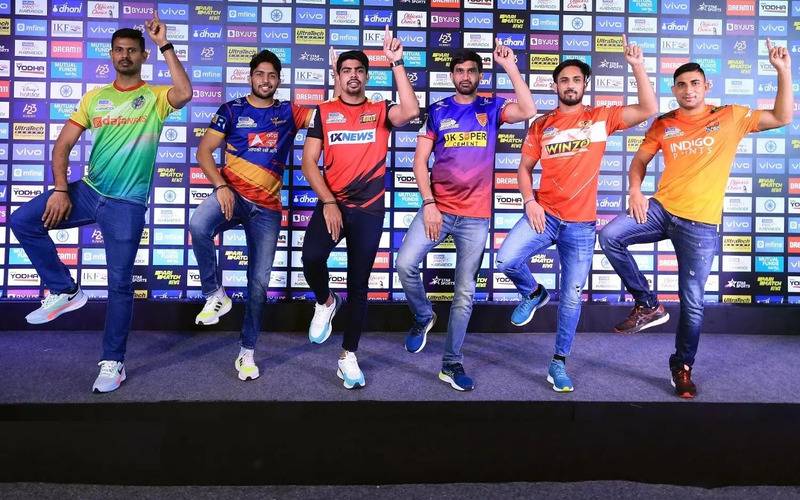
Kabaddi is a sport that demands courage, strength, and resilience. But it’s also a sport where setbacks are common, like injuries, losses, or being left out of the national team can feel like the end.
Yet, some players rise above these challenges to return stronger than ever.
Their stories are not just about winning matches but about never giving up and proving that mental toughness can overcome physical obstacles.
Here, we explore some of the most inspiring comeback stories in kabaddi, highlighting the lessons that every young player can learn from them.
1. Pardeep Narwal: From Injury to Superstar
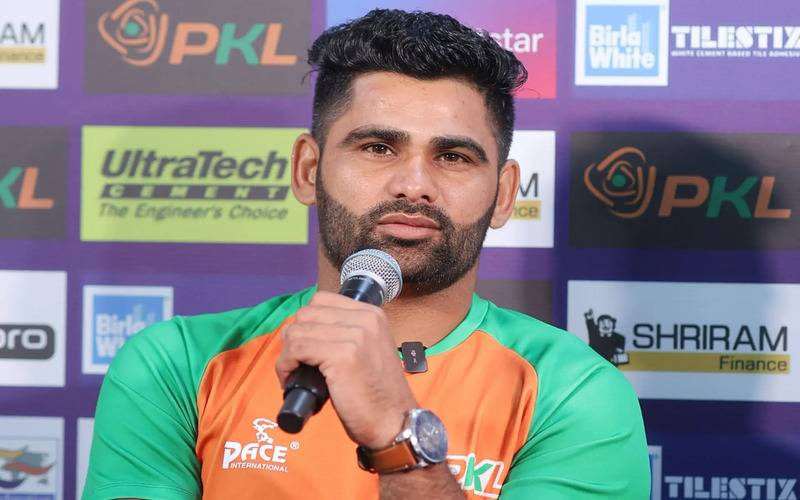
Pardeep Narwal, known as the “Dubki King,” faced a major knee injury in 2018 that sidelined him for several months.
Many doubted if he could regain his explosive raiding ability. However, Pardeep’s disciplined rehabilitation, rigorous training, and mental focus helped him return to the Pro Kabaddi League stronger than before.
His comeback season saw him break records, score consecutive super raids, and lead his team to multiple victories.
His journey proves that patience, dedication, and belief in recovery can lead to extraordinary results.
2. Deepak Niwas Hooda: Overcoming Setbacks to Shine
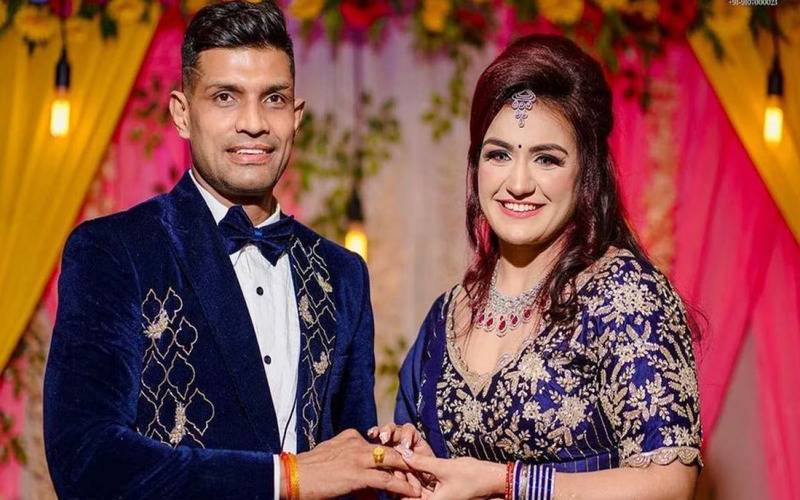
Deepak Niwas Hooda faced a difficult phase when he was dropped from the Indian national team after a few low-performance seasons.
Instead of giving up, he focused on improving his stamina, strength, and raiding skills.
He worked on his weaknesses, trained hard during the off-season, and returned to the national team with improved performance, eventually becoming one of the most reliable all-rounders in the league.
His story teaches young players that rejection is not failure, but a chance to grow stronger.
3. Ajay Thakur: Triumph Over Injury and Pressure
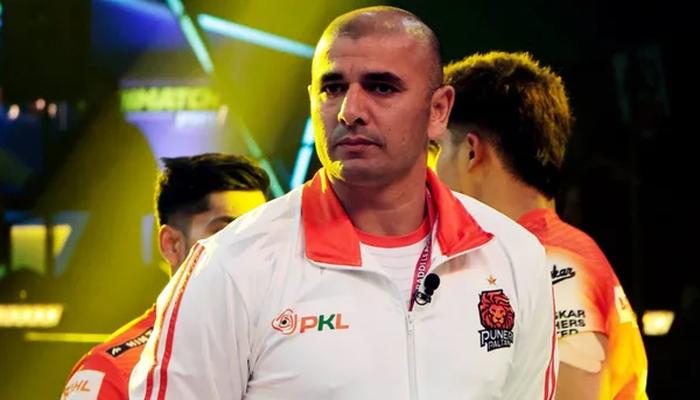
Ajay Thakur, famous for his last-minute winning raids in international matches, suffered a severe shoulder injury that put his career in jeopardy.
Rehabilitation was painful, and he had to relearn movements that were second nature before the injury.
With the support of coaches and physiotherapists, Ajay not only recovered but returned to international tournaments to score decisive points for India.
His journey highlights the importance of combining medical guidance with mental resilience.
4. Manjeet Chhillar: The Comeback King of PKL
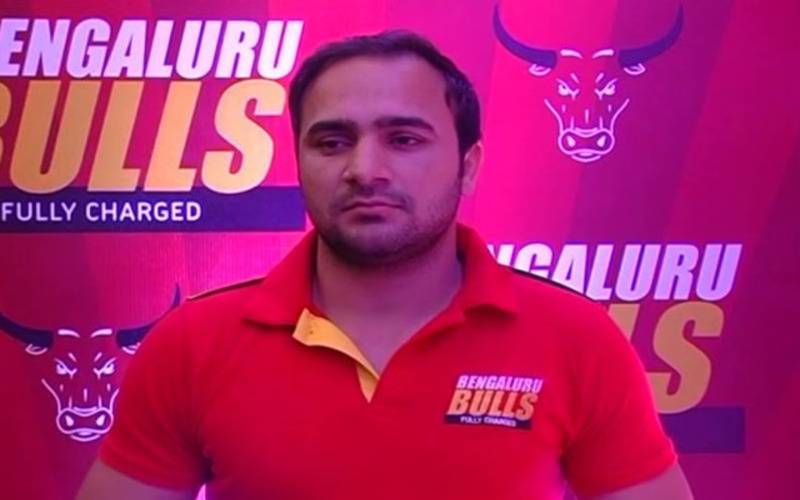
Manjeet Chhillar, a defender known for his unmatched tackles, went through a tough period when he faced back-to-back injuries.
At one point, he was ruled out of the league entirely, and many thought his career was over.
But his determination to train harder, follow strict physiotherapy, and focus on nutrition helped him bounce back.
Soon, he was tackling raiders with the same intensity as before, becoming a source of inspiration for defenders across India.
Manjeet’s story proves that discipline and smart training can restore performance even after severe injuries.
5. Lessons from Rural Players
Many kabaddi players come from rural backgrounds, where medical facilities and advanced training methods are limited.
For them, the road to recovery is even tougher. Yet, stories like Rakesh Kumar, who returned from multiple ankle and knee injuries to lead India to victory, show that hard work, natural resilience, and traditional exercises can help overcome challenges even without expensive equipment.
These players rely heavily on off-season exercises, home-cooked nutrition, and natural recovery methods, blending tradition with modern sports science.
The Role of Mental Strength in Comebacks
One common factor in every comeback story is mental strength. Physical recovery alone is not enough.
Players must overcome fear, doubt, and frustration. Visualization techniques, meditation, and goal-setting are often used by players to regain confidence.
For example, when Pardeep Narwal returned from injury, he visualized every type of raid and tackle before attempting them on the mat.
Similarly, Ajay Thakur practiced high-pressure scenarios to overcome anxiety. This mental preparation is what differentiates those who succeed from those who give up.
How Professional Teams Support Comebacks
Professional kabaddi teams now invest in:
- Physiotherapy and sports medicine
- Customized diet plans
- Strength and conditioning programs
- Psychological support for confidence building
These resources are crucial for making sure players recover not only physically but also mentally, ready to perform at peak levels.
Why These Comebacks Inspire Young Players
For young kabaddi aspirants, these stories teach important lessons:
Setbacks are temporary: Injury, failure, or poor performance does not define a career.
Discipline is key: Regular training, proper diet, and recovery routines build resilience.
Mental strength matters: Confidence, focus, and a positive mindset can turn failure into success.
Support systems help: Coaches, physiotherapists, and family support are vital for long-term success.
Even if a player comes from a small village without advanced facilities, determination and smart work can lead to national and international glory.
Conclusion
Kabaddi is a sport that tests both body and mind. The most inspiring stories are not about who scores the most points or wins the most matches.
They are about players who fight back from injuries, setbacks, and doubts to reclaim their place on the mat.
From Pardeep Narwal’s explosive return after knee injury to Ajay Thakur’s shoulder recovery, these comebacks are proof that with discipline, support, and mental strength, no setback is permanent.
For young kabaddi players, these stories are more than inspiration. They are a roadmap to turning challenges into triumphs.
Kabaddi teaches an important life lesson which is the hardest battles off the mat often shape the greatest victories on it.

“Rohit is a seasoned sports journalist with over 5 years of experience specializing in Indian sports. He has built a reputation for his deep-dive analysis of the Pro Kabaddi League (PKL) and domestic Indian Cricket. From tracking player auctions to breaking down match-winning strategies, Rohit provides fans with expert insights grounded in years of on-ground reporting and statistical analysis.