
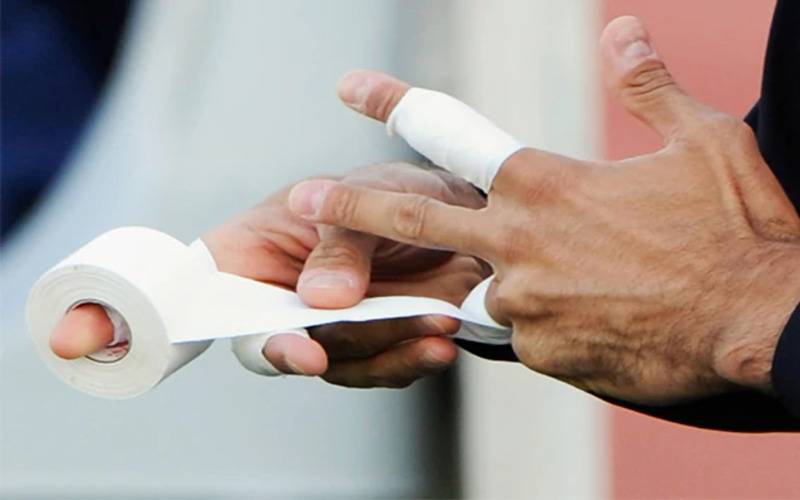
If you watch kabaddi regularly, you may have noticed one common thing among almost all players that they tape their fingers and ankles.
Whether it’s a raider preparing for a do-or-die raid or a defender getting ready for a deadly ankle hold, taping is one of the first things they do before stepping onto the mat.
For most fans, taping looks like a simple routine.
But behind this small piece of cloth lies a big part of kabaddi science, which is injury prevention, grip strength, stability, and confidence.
Coaches rarely allow a player to practice or play without proper taping, especially at the professional level.
This article breaks down the real reason why kabaddi players tape their fingers and ankles, how it helps them perform better, and why young players should also follow this essential habit.
Why Taping Matters So Much in Kabaddi
Kabaddi is a high-contact sport where sudden twists, falls, pulls, and grips happen continuously.
Fingers and ankles take extreme pressure.
Raiders use them for balance and movement, while defenders use them for gripping and holding opponents. A small sprain can end a player’s season, so taping becomes the first safety step.
Players often say that taping gives them a “second skin”. Something that protects their joints but also keeps them flexible enough to move naturally.
The goal is not to restrict movement but to support the joints during intense action.
At national camps and PKL training sessions, physiotherapists study every player’s body.
They know which player has a weak ankle, which raider has had finger injuries, and who needs extra support.
Based on this, they customize taping patterns to reduce injury risk. This is why taping varies from player to player.
Why Kabaddi Players Tape Their Fingers
Finger injuries are extremely common in kabaddi because the hands are constantly grabbing jerseys, arms, and legs. Raiders use fingers for quick escapes, while defenders depend on a powerful grip to stop a raider in mid-air.
Here are the main reasons players tape their fingers:
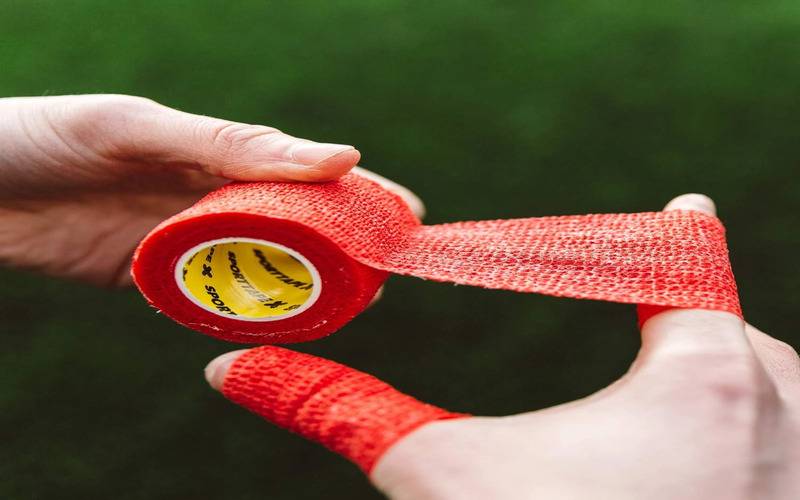
1. Stronger Grip During Tackles and Raids
Grip strength is one of the biggest weapons in kabaddi. A defender’s hold depends on pressure from the fingers and wrist.
Taping keeps fingers steady and prevents them from bending backwards during a tough tackle.
Even raiders need grip strength when they perform moves like frog jumps, running hand touches, and bonus attempts. A taped finger gives better friction and reduces slipping.
2. Prevents Finger Sprains and Dislocations
Finger sprains are so common that almost every kabaddi player has experienced at least one.
During intense matches, fingers can bend the wrong way, especially when multiple defenders apply force from different angles.
Taping acts like a protective wall. It controls unnecessary movement and prevents fingers from getting pulled in extreme directions.
Physiotherapists say that taping reduces the risk of:
- ligament tears
- dislocations
- sudden joint twists
This is why even experienced players never skip taping.
3. Faster Recovery From Old Injuries
Many kabaddi players continue playing even when their fingers are not 100% healed. In these situations, taping becomes even more important.
It protects the injured area and lets players move without pain.
For example, when a player has a small ligament tear, taping keeps the joint stable and prevents the injury from worsening during a tackle.
4. Confidence Boost for Players
In kabaddi, mental comfort is as important as physical fitness. A well-taped finger gives players the confidence to go all-in during a tackle or raid.
It removes the fear of sudden injury and allows them to play with full aggression.
Some players even say that they feel incomplete without taping. It becomes part of their match ritual.
Why Kabaddi Players Tape Their Ankles
Ankles face even more pressure than fingers. Raiders make sudden changes in direction, while defenders jump, fall, squat, and twist continuously.
This repeated stress makes ankles the most injury-prone part of a kabaddi player’s body.
Here’s why ankle taping is essential:
1. Supports Joint Stability
Kabaddi movements are fast and unpredictable. One wrong landing or twist can cause a painful ankle sprain. Taping provides external support, almost like a soft brace that prevents the ankle from rolling inward or outward.
Physiotherapists often teach players different taping methods:
- for stability
- for ligament support
- for high-intensity raiding
- for defensive tackling
This customized taping helps players stay stable even during aggressive movements.
2. Protects Ankles During Falls and Tackles
During ankle holds, defenders apply strong force to stop the raider. If the raider’s ankle bends too much, it can lead to a major injury like a torn ligament or bone fracture.
Taping reduces the risk by limiting dangerous movement.
Similarly, defenders also tape ankles to protect themselves during chain tackles, dives, and sudden stops.
3. Helps in Quick Direction Changes
Raiders depend heavily on their ankles when they make fast cuts — especially during running hand touches or bonus attempts. Taping gives them better control and balance.
Players often say that taped ankles feel “tighter and lighter,” helping them move faster without losing stability.
4. Reduces the Impact of Old Injuries
Many kabaddi players carry old ankle injuries for years. These injuries can flare up anytime, especially during tournaments when matches happen daily.
Taping:
- reduces swelling
- supports weak ligaments
- prevents injury from returning
Even when players recover fully, coaches ask them to continue taping for safety.
Do All Kabaddi Players Tape Fingers and Ankles?
At the professional level — yes, almost 100% of players do.
At grassroots or local tournaments, some beginners skip it, often because they don’t know its importance.
But physiotherapists always advise young players to build the habit early.
Even international kabaddi players from Iran, South Korea, and Kenya follow the same taping routine because the sport demands it.
How Taping Helps Young Kabaddi Players
Taping is not only for professionals. Young players benefit even more because their fingers and ankles are still developing strength.
Proper taping protects them from injuries that can affect long-term career growth.
Coaches usually advise beginners to tape during:
- practice sessions
- match situations
- fitness drills involving jumps or sprints
Learning correct taping technique early can prevent major injuries later.
Taping Is Not a Substitute for Training
Many young players make the mistake of depending only on taping without strengthening their fingers and ankles. This is not enough. Professional kabaddi players also do special exercises for grip and ankle stability.
Some common strengthening exercises include:
- farmer’s carry
- wrist curls
- finger squeezing
- balance training
- calf raises
- ankle rotations
Taping helps, but strong muscles are the real foundation.
Conclusion
Taping fingers and ankles might look like a small step, but it plays a huge role in kabaddi.
It protects players from sprains, improves grip and stability, boosts confidence, and helps them recover faster from old injuries.
Whether it’s a raider making a sudden turn or a defender locking a strong ankle hold, taping allows them to perform without fear.
For young kabaddi players, building this habit early can prevent major injuries and improve long-term performance.
In a sport where one wrong twist can end a season, taping remains one of the most essential parts of a kabaddi player’s preparation.

“Rohit is a seasoned sports journalist with over 5 years of experience specializing in Indian sports. He has built a reputation for his deep-dive analysis of the Pro Kabaddi League (PKL) and domestic Indian Cricket. From tracking player auctions to breaking down match-winning strategies, Rohit provides fans with expert insights grounded in years of on-ground reporting and statistical analysis.