
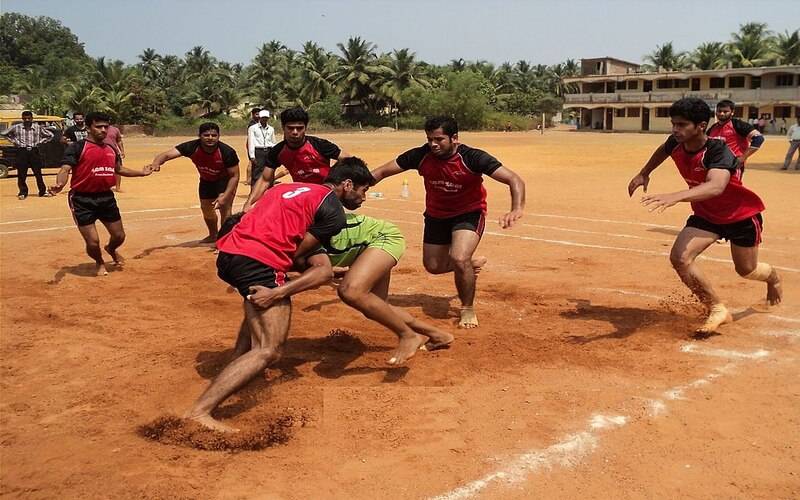
Kabaddi is one of the few Indian sports where a large majority of players come from small towns and rural villages rather than big cities.
When fans watch PKL superstars playing on bright mats and TV screens, they see strength, confidence, and success.
But behind every champion is a long journey that often begins in dusty grounds, muddy pits, and simple lifestyles found in India’s rural areas.
From Haryana to Maharashtra and Punjab to Tamil Nadu, many kabaddi icons have grown up in farming families, small houses, and humble backgrounds.
Players like Surender Nada, Anup Kumar, Fazel Atrachali (Iran’s village roots), Rohit Kumar, and Sandeep Dhull all share a similar early-life story.
That includes hard work, discipline, and training that began on open fields rather than modern sports centres.
This is the full story of why kabaddi and rural India share such a deep connection.
Rural Lifestyle Naturally Builds Strength and Stamina
Village life involves physical work every day. Many kabaddi players say their strength started forming long before they ever stepped into a training ground.
Activities like:
- Carrying water buckets
- Working in farms
- Walking long distances
- Cycling to school
- Daily outdoor chores
They create natural stamina, strong legs, solid grip, and high endurance. All of these are essential for kabaddi.
Unlike city kids who spend time indoors or on screens, rural children often spend most of their time outdoors, running, climbing trees, and playing physical games.
This active childhood builds strong bodies and quick reflexes without any special training.
Kabaddi Is Easy for Rural Kids to Start
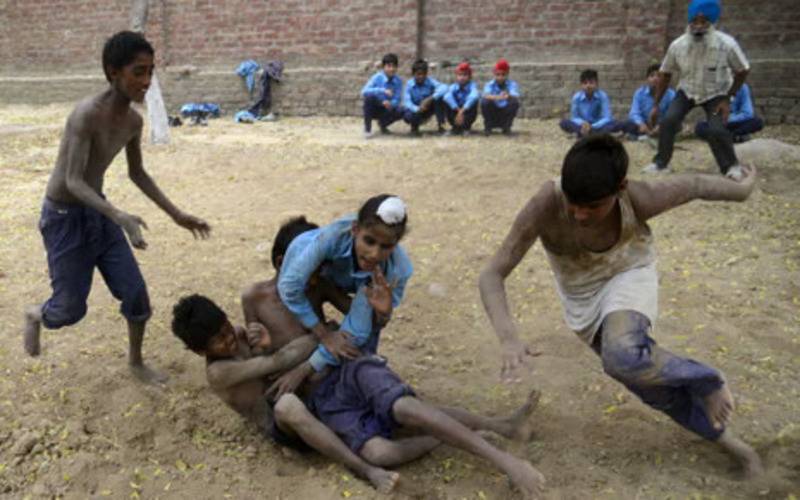
Kabaddi is a low-cost game. Moreover, many Indian villages do not have access to:
- Sports academies
- Expensive gyms
- Modern training equipment
- Paid coaching
But kabaddi only requires an open ground, a few players, and basic rules. No fancy gear, no costly infrastructure.
This makes it the most accessible sport for children from farming and labour-class families.
The sport’s simplicity allows kids to start early, often by the age of 6 or 7. By the time they become teenagers, many have already developed strong basic techniques and unmatched stamina.
Mud Grounds and Akharas Build Real Kabaddi Skills
Rural villages still use traditional mud akharas for kabaddi training. Mud is softer than synthetic mats but harder to move on, which helps players develop:
- Better balance
- Stronger legs
- High grip strength
- Better tackling control
- Safe falling techniques
According to many kabaddi coaches, a player trained on mud can adapt easily to mat kabaddi, but the opposite is difficult.
This is why mud training is considered the “real foundation” of champion defenders and raiders.
Many PKL players say that mud fights taught them toughness and skill long before formal training began.
Discipline and Hard Work Are Part of Rural Culture
Rural families often live disciplined lives waking early, working long hours, and staying physically active are their common tasks.
This discipline naturally transfers to sports. Kabaddi requires:
- Waking up early for training
- Maintaining strict diet
- Repeating drills for months
- Controlling emotions during matches
Players from villages are already accustomed to tough routines and hard work. Pressure doesn’t scare them because life has already trained them to push through difficult situations.
Strong Community Support and Local Tournaments
Rural areas have a strong kabaddi culture. Almost every village has:
- Local kabaddi tournaments
- Annual fairs with kabaddi matches
- School competitions
- Small cash prize events
These tournaments give players real match experience from a young age.
Hundreds of young boys and girls participate, building confidence and learning how to handle crowds, pressure, and physical intensity.
Community support also plays a huge role.
Villagers cheer for local players, motivate them, and even collect money to help a talented player travel for trials or tournaments.
Lack of City Distractions Helps Players Focus
City life comes with distractions like malls, gaming, traffic, mobile addiction, and busy schedules.
Rural players often grow up in environments where life is simpler, distractions are fewer, and outdoor activity is natural.
This allows them to focus more on:
- Daily practice
- Physical fitness
- Team sports
- Building mental toughness
This environment helps create dedicated athletes who are hungry to prove themselves in major leagues.
Rural Challenges Create Mentally Tough Athletes
Many kabaddi players from rural areas face challenges such as:
- Limited financial support
- Lack of equipment
- No professional coaches
- Long travel distances for tournaments
- Pressure to support the family
But instead of stopping them, these challenges make them mentally stronger. This grit becomes their biggest advantage during high-pressure matches in PKL.
The PKL Dream: Motivation for Rural Youth
Ever since the Pro Kabaddi League began, rural youth have seen players from backgrounds just like theirs becoming national icons.
The PKL has become a life-changing opportunity, encouraging thousands of young athletes to train harder.
Many players say that watching someone from their area succeed gives them hope that they can also reach the big stage one day.
Conclusion
Kabaddi and rural India are deeply connected because the sport reflects the values of village life, strength, discipline, hard work, and community spirit.
From mud akharas to local tournaments, rural areas provide everything a player needs to build world-class skills without costly facilities.
This natural environment produces strong, fearless, and mentally tough athletes who shine on the PKL stage.
For young kabaddi fans, this story is a reminder that greatness does not require luxury.
It requires passion, discipline, and the courage to keep going, no matter where you come from.

“Rohit is a seasoned sports journalist with over 5 years of experience specializing in Indian sports. He has built a reputation for his deep-dive analysis of the Pro Kabaddi League (PKL) and domestic Indian Cricket. From tracking player auctions to breaking down match-winning strategies, Rohit provides fans with expert insights grounded in years of on-ground reporting and statistical analysis.