
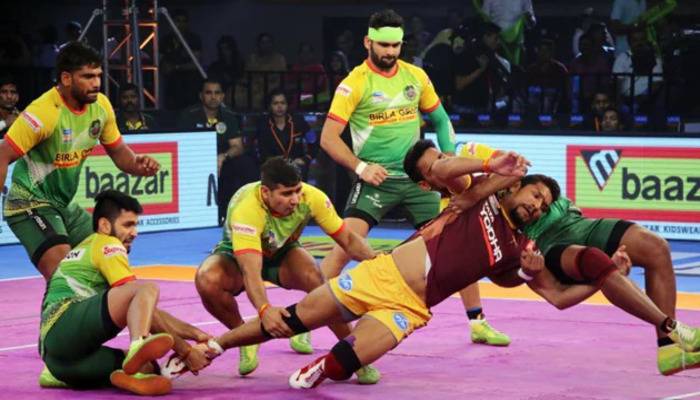
When most fans think the season is over, they imagine kabaddi players relaxing or taking a break. The reality is far from that.
The off-season is often the toughest and most important time for professional kabaddi players. This is when champions are truly made.
During these months, players focus on fitness, skill development, recovery, and mental strength to prepare for the next big league.
Skipping even a single training day can impact their performance during the upcoming PKL season.
Many top players, including PKL stars like Pawan Sehrawat and Naveen Kumar, treat the off-season as a time to improve weaknesses, strengthen their body, and refine their strategies.
Coaches across teams closely monitor players during this period, ensuring every athlete stays in peak shape and is ready for competitive play.
Unlike casual players, professional kabaddi athletes understand that the off-season is where real progress happens.
Why Off-Season Is the Hardest Phase
Even though there are no live matches, the pressure on players remains the same. This is the time when trainers test the endurance, speed, agility, and strength of their players.
In this phase every athlete follows a strict schedule to ensure no skill or fitness level drops.
Raiders focus on agility, dodging, and explosive power. For defenders, it is about grip, positional awareness, and reaction time. Many players believe that consistent off-season training is what separates elite athletes from average ones.
With the help of modern technology, coaches track the progress of their players. Then later they made changes in their training plan and meal plan accordingly.
Players are strictly advised not to miss even a single day of training. Because missing a day can affect the balance between speed and strength, which is crucial in competitive kabaddi.
The off-season is not a break. It is a foundation for the next season’s success.
Daily Training Routine Behind the Scenes
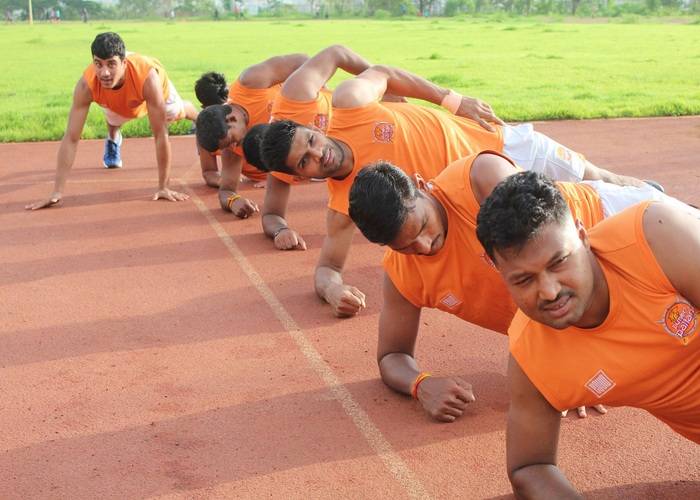
Professional kabaddi players train almost from morning till evening during the off-season. A typical day includes:
Morning: Players start with endurance runs, stretching, and core workouts. Endurance runs improve stamina while core exercises strengthen the abdomen and lower back, which are vital for both raiders and defenders.
Afternoon: Skill-focused drills take place. Raiders practice dodging, raiding, and bonus line strategies, while defenders focus on tackling, ankle strength, and positioning. Coaches watch every movement closely to correct posture and form.
Evening: It is the time for strength and agility sessions. Resistance training, plyometrics, weight exercises, and balance drills improve explosive power and flexibility.
Many players also use agility ladders, cones, and hurdles to simulate match scenarios. These exercises are designed to mimic the unpredictable movements of a live kabaddi match.
Raiders focus on fast footwork and quick reactions, while defenders emphasize grip strength, timing, and counterattacks. This role-specific approach ensures that every player improves in the area most important for their position.
Body Transformation and Recovery
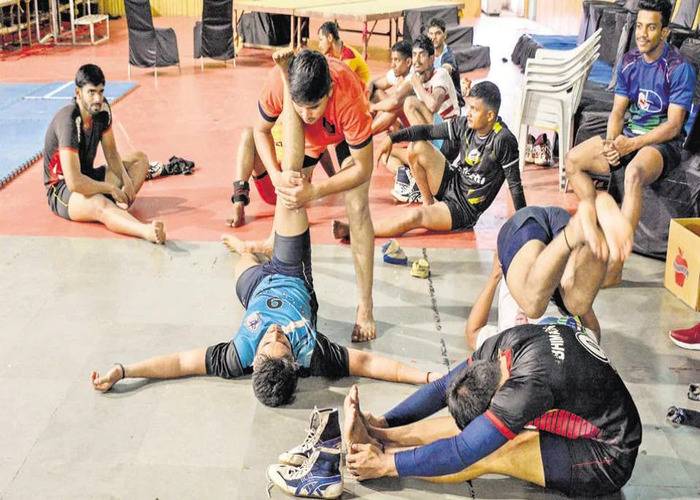
The off-season is also the ideal time for recovery and body transformation. Injuries from the previous season are treated with physiotherapy, massage, and yoga sessions.
Flexibility and balance exercises help prevent future injuries. Many athletes focus on strengthening weak areas such as knees, shoulders, or ankles.
Pro players combine cardio, sprints, and cycling with strength exercises to maintain peak fitness. Trainers call this the “foundation phase” because the improvements here directly affect match performance.
Without these months of consistent preparation, even the most talented players risk losing agility, power, or endurance during the season.
Diet and Mental Strength
Diet plays a critical role in off-season training. Most professional kabaddi players follow a high-protein diet with adequate carbohydrates and healthy fats to build muscle and maintain energy.
Hydration is carefully monitored, and some athletes take supplements like multivitamins or whey protein under expert guidance.
Mental strength is equally essential. Players practice meditation, focus drills, and visualization techniques to stay calm under pressure.
Many PKL stars credit their mental preparation in the off-season for performing under stress during close matches. Coaches often emphasize that physical fitness alone is not enough and the mind must be equally sharp.
Lessons for Young Kabaddi Players
Even beginners can learn from the tranning season of Pro Players:
- Consistency matters more than intensity. Small daily improvements add up over time.
- Recovery is key. Stretching, physiotherapy, and rest prevent injuries.
- Focus and strategy win matches. Mental exercises help players make better decisions on the mat.
- Structured training builds discipline. Following a routine creates habits that last a lifetime.
- Balanced diet fuels performance. Proper nutrition helps energy, recovery, and strength.
Applying these lessons early can help young players improve faster and stay ahead in competitive kabaddi.
Conclusion
The off-season may look like downtime to the casual fan of kabaddi. But for kabaddi players, it is a period of hard work, discipline, and transformation.
From strength and agility to mental preparation and recovery, every detail counts. Without these months of dedicated training, even the most talented athletes cannot perform at their best in the league.
Understanding this “behind-the-scenes” effort is not only inspiring but also serves as a blueprint for success for aspiring kabaddi stars.

“Rohit is a seasoned sports journalist with over 5 years of experience specializing in Indian sports. He has built a reputation for his deep-dive analysis of the Pro Kabaddi League (PKL) and domestic Indian Cricket. From tracking player auctions to breaking down match-winning strategies, Rohit provides fans with expert insights grounded in years of on-ground reporting and statistical analysis.