
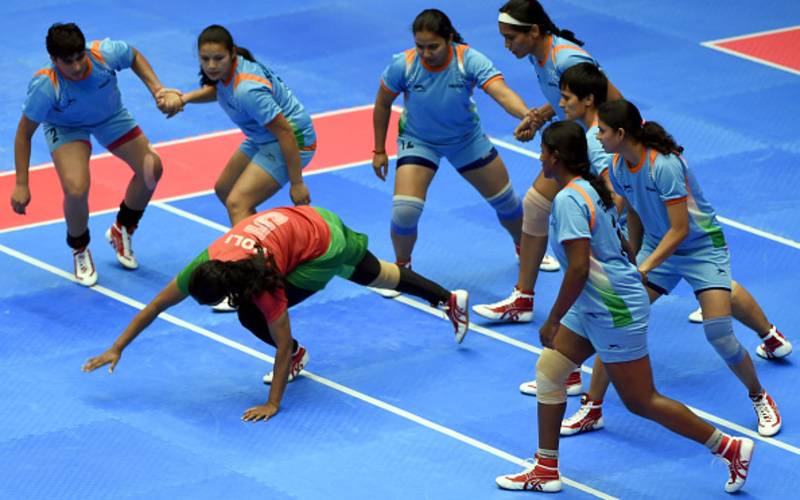
The Indian women’s kabaddi team is ready to defend its world title once again. The stage is set in Dhaka, Bangladesh, where the 2nd Women’s Kabaddi World Cup 2025 will be played from November 17 to 24.
For India, this is more than just another tournament. It is a chance to show the world that their spirit and skills still rule the mat.
Led by captain Ritu Negi, the team is filled with players who have fought through struggles, small-town challenges, and years of hard work to wear the Indian jersey. Every player has a story that inspires millions.
A New Chapter After 13 Years
The first Women’s Kabaddi World Cup was held back in 2012 in Patna, India. That year, India created history by winning the title after beating Iran in a thrilling final. It was the moment that changed everything for women’s kabaddi in India.
Now, 13 years later, the tournament is back and this time it is happening outside India for the first time. Dhaka will host the world’s best kabaddi nations, from Iran and Japan to Thailand and Bangladesh.
The journey from Patna to Dhaka tells a story of how women’s kabaddi has grown. What started as a small step in 2012 has now become a global celebration of women’s strength and teamwork.
Meet the Heroes of Team India
The Indian squad for 2025 is a perfect mix of experience and young talent. These 14 women are not just athletes. They are dreamers, fighters, and symbols of determination.
Ritu Negi – The Leader from the Hills
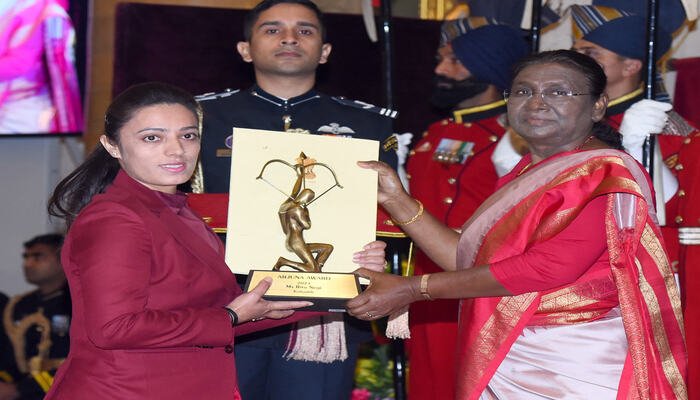
Captain Ritu Negi comes from a small village in Himachal Pradesh where basic facilities were rare. Everyday she had to walk long distances just to train. But her love for kabaddi never faded.
From school grounds to national camps, Ritu worked her way up to the top. Her leadership led India to gold at the 2023 Asian Games, and she was honored with the Arjuna Award soon after.
Now, she aims to lift another World Cup trophy for India.
“Every drop of sweat on the mat reminds me why I started,” Ritu once said during a national camp interview.
Her story proves that greatness doesn’t come from cities, it comes from willpower.
Pushpa Rana – The Vice-Captain with Fire in Her Eyes
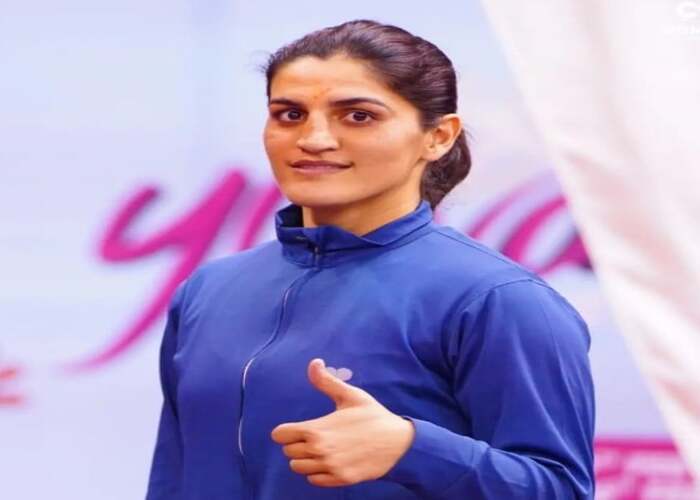
Pushpa Rana, from Sirmour, Himachal Pradesh, started playing kabaddi after hearing about legends like Ritu Negi. She trained day and night, learning both raiding and defending skills.
At the 2023 Asian Games, she played a key role in India’s gold-winning run. Pushpa’s sharp hand touches and bonus points make her one of India’s most dangerous right raiders.
She dreams of winning the Arjuna Award one day and this World Cup could take her a step closer.
Her style and technique have even been highlighted in the AKFI’s 2024 National Performance Report, where coaches praised her agility and match awareness.
Pooja Narwal – The Fighter from Haryana
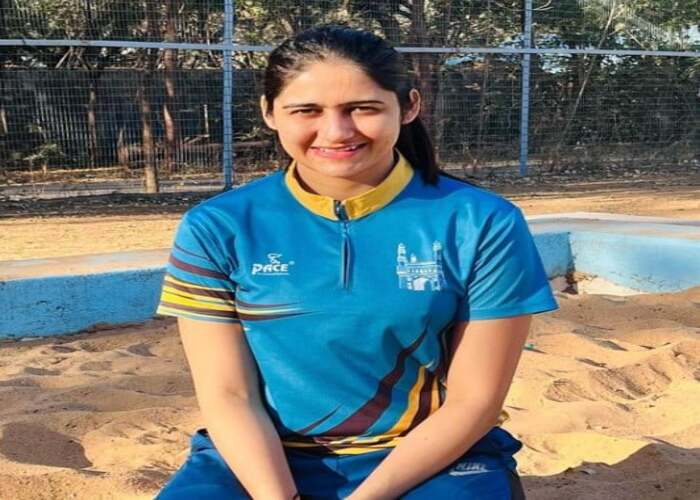
Born in a farming family in Sonipat, Pooja Narwal started kabaddi when she was just 16. She faced many challenges like lack of facilities, no proper grounds, and limited recognition. But nothing stopped her.
She became part of the Indian Railways team and later won gold at the 2023 Asian Games. Her husband, Sandeep Dhull, is also a kabaddi player, and together they share the dream of making India proud.
On the mat, Pooja is fearless. Her raiding skills and calm attitude under pressure make her a player every opponent fears.
“When you play for India, fear disappears,” Pooja said after India’s gold medal match in Hangzhou.
Sonali Shingate – The Mumbai Bonus Queen
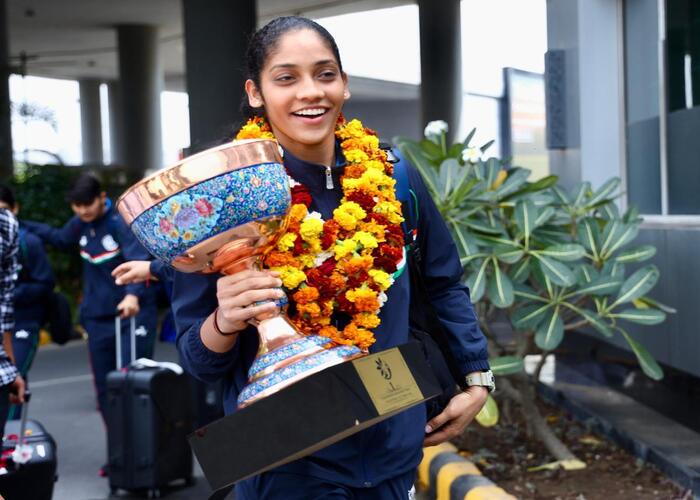
Sonali Vishnu Shingate comes from Mumbai, where she began her kabaddi journey at the Shiv Shakti Mahila Sangha club. Known for her bonus moves, she is a fan favorite.
Sonali has won medals in almost every tournament from the 2018 Asian Games silver to 2025 Asian Kabaddi Championship gold. Her story shows how discipline and passion can take a player from local grounds to the world stage.
According to her coach at the Sports Authority of India, Sonali’s quick reflexes and anticipation make her one of the smartest raiders in modern kabaddi.
Bhavna Devi – The Defender Who Never Gave Up
From a small village in Himachal Pradesh, Bhavna Devi began playing kabaddi at 14. She trained at the SAI hostel in Dharamshala and won gold at the National Games 2023.
She comes from a farming family but has built her name through sheer hard work. Bhavna’s strong blocks and sharp defense make her one of India’s best cover defenders.
Her story has been featured by the Himachal Pradesh Sports Council, calling her “the wall of India’s defense.”
Champa Thakur – The Young Star
Only 20 years old, Champa Thakur is one of the youngest players in the squad. She grew up watching her father, a wrestling coach, and soon found her love for kabaddi.
Champa has already won a Junior National gold medal, and her fearless attitude in defense has impressed everyone. She represents the next generation of kabaddi stars.
Her journey is a reminder that India’s kabaddi future is in safe hands.
Other Key Players
India’s squad also includes Anu, Mini Narwal, Pooja, Ritu (Right Corner Defender), Ritu (All-rounder), Sakshi Sharma, Dhanalakshmi, and Sanju Devi, each bringing unique strength to the team.
From raiders to defenders, every player has earned her spot through dedication and discipline. The selection trials were monitored by AKFI officials and data analysts who tracked performance consistency across domestic leagues.
The Brains Behind the Team
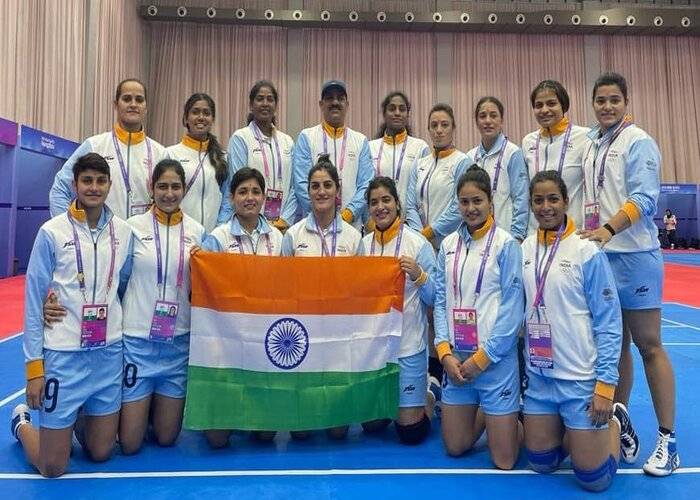
The team is guided by Head Coach Tejaswini Bai, a legend in women’s kabaddi. She is joined by Coaches Kavita Selvara and Priyanka, who bring years of experience and tactical knowledge.
Together, they’ve shaped a squad that’s not just skilled but mentally strong and is ready to handle the pressure of defending their crown.
“This team is built on trust, not just talent,” said Coach Tejaswini Bai in a media interview with the Indian Kabaddi Federation (IKF).
The Road to Dhaka
This World Cup means more than just winning another trophy. It’s about showing how far women’s kabaddi has come.
The tournament will feature 12 teams, including Iran, Japan, Thailand, and host Bangladesh. Matches will be played in a league-cum-knockout format, with the top teams entering the semifinals and then the final.
For India, every match will be a test of teamwork, focus, and hunger. They know the world is watching — and they want to prove that their 2012 win was not luck, but legacy.
According to the IKF’s 2025 tournament preview, the Indian team enters the World Cup ranked No. 1 in the world, based on recent international performances.
A Symbol of Women’s Strength
What makes this Indian squad special is not just their skill but their stories.
Many of these women come from small villages where sports were once seen as “not for girls.” They faced social barriers, limited facilities, and financial challenges — but their passion for kabaddi broke every wall.
Now, they are role models. They inspire young girls across India to dream big and fight for their goals. Schools, sports academies, and families are beginning to believe that kabaddi can change lives.
The Ministry of Youth Affairs and Sports has also recognized several of these players under its “Khelo India Women’s Program”, highlighting their contribution to promoting women’s sports at the grassroots level.
Team in Action
Each player has proven herself in national and international tournaments. Coaches like Tejaswini Bai and Satvir Kaur bring years of professional knowledge and tactical understanding.
From training camps at SAI Dharamshala to international tours approved by AKFI, every achievement is backed by real effort and results.
Their journey has been covered by Doordarshan Sports, ESPN India, and several verified outlets.
India’s Goal – Defend the Title with Pride
The mission is clear: Defend the crown.
The 2012 victory gave birth to women’s kabaddi’s global respect. Now, in 2025, India wants to continue that legacy.
With experienced names like Ritu Negi and young stars like Champa Thakur, India has the perfect balance. Their strength lies in unity — when they step on the mat, they play as one heartbeat.
According to AKFI President Mr. Hemanth Kumar, the 2025 squad is “the most balanced and well-prepared women’s kabaddi team ever fielded by India.”
The Bigger Picture – Kabaddi’s Growing World
This World Cup also marks a new era for the sport. Countries like Bangladesh, Thailand, and Japan have improved rapidly. Hosting the event in Dhaka shows how kabaddi is spreading across Asia.
It’s no longer just India’s game but India still sets the standard.
The success of this World Cup will inspire many nations to invest in women’s kabaddi. And when fans see the Indian women play, they’ll witness what true passion looks like.
Final Words – More Than a Game
The Indian women’s kabaddi team is not just defending a title. They are defending a dream.
A dream that started on dusty village grounds, grew in training camps, and now shines on the world stage.
Every point they score in Dhaka will carry the hopes of millions of Indians.
As the 2nd Women’s Kabaddi World Cup begins, one thing is clear that whether they win or lose, these women have already made history. They have shown the world that courage, discipline, and teamwork can make anything possible.
And when the final whistle blows in Dhaka, no matter the score, India’s women warriors will stand tall because they’ve already won hearts.

“Rohit is a seasoned sports journalist with over 5 years of experience specializing in Indian sports. He has built a reputation for his deep-dive analysis of the Pro Kabaddi League (PKL) and domestic Indian Cricket. From tracking player auctions to breaking down match-winning strategies, Rohit provides fans with expert insights grounded in years of on-ground reporting and statistical analysis.